Why did The RealReal update its bot defenses?
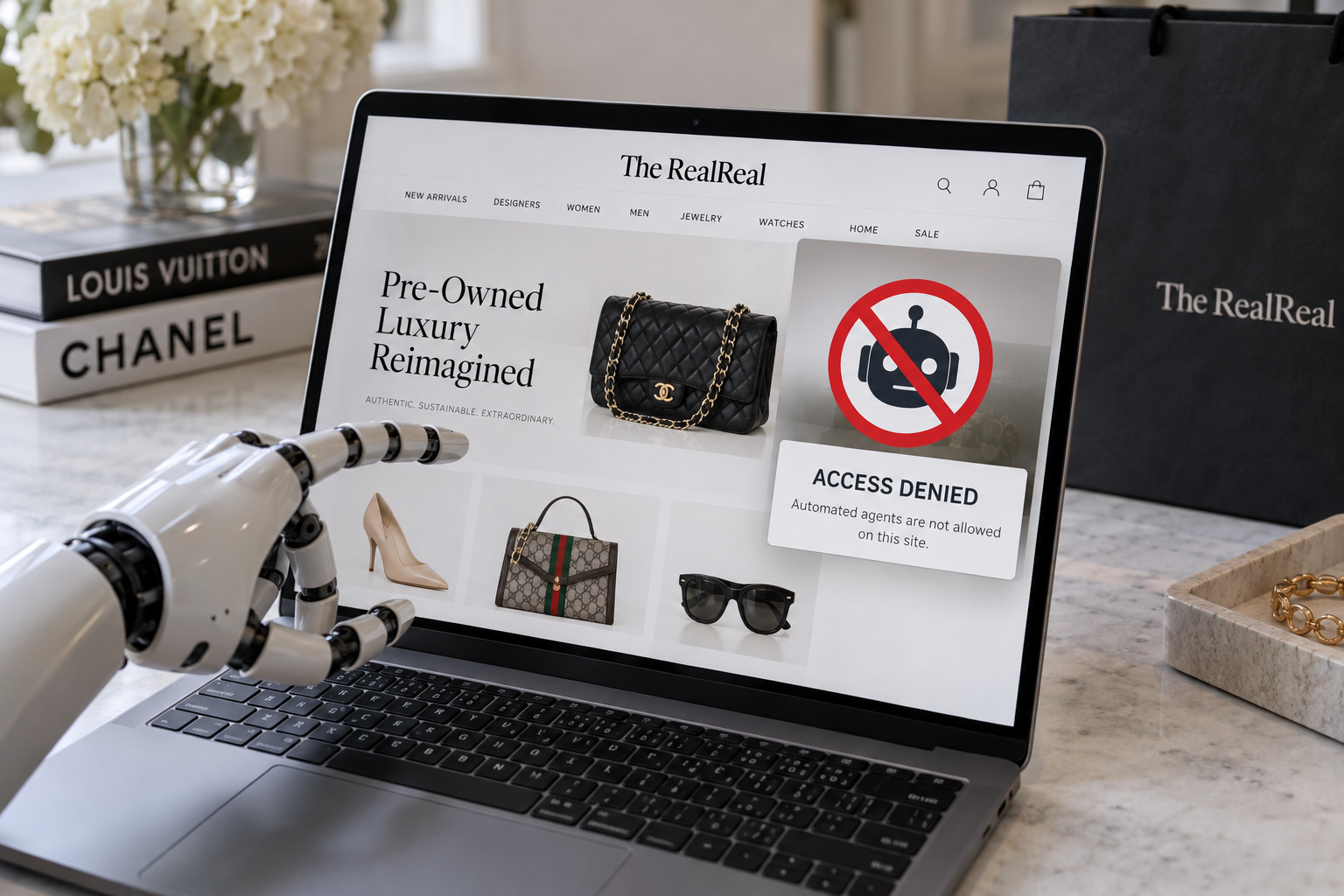
The RealReal, a secondhand luxury fashion consignment retailer, says it has updated its bot defense system, making it harder for AI agents to shop on its website. The change came days after The Verge reported that an AI agent could exploit the retailer's item reserve system to keep designer pieces away from other buyers.
The reserve system works like this. When an item goes into a user's shopping cart, it is placed on hold and unavailable to anyone else for 20 minutes. Using Meta's Muse, The Verge instructed an AI agent to re-add RealReal listings to a cart the moment each hold expired. The result was that the agent could block other shoppers from buying those products for hours, or longer.
Can AI agents still shop at The RealReal?
After the story was published, chief technology officer Luke Friang said in an email that the company had addressed the Muse use case The Verge flagged. The RealReal's revised bot defense configuration now makes it much more difficult for all agents to log in, add items to a cart and check out, Friang said. Agents can still surface RealReal listings and direct Muse users to product pages. The company will keep strengthening its protections as AI-powered shopping evolves, he said.
Meta did not immediately respond to a request for comment.
The episode lands at a time when technology companies are pitching AI agents as personal assistants that can book meetings, plan events and buy things on behalf of their users. Shopping appears to be one of the first places that pitch is working. Meta said on its third-quarter earnings call that shopping was the most common use case for Muse so far, and that purchases averaged over $200. The company also said 10 million people in the United States had downloaded the app within 40 days. For Meta, those figures suggest Muse may mark a turning point for consumer AI agents.
That growth raises questions for the websites agents visit, and for agentic SEO. If shoppers stop browsing sites directly and instead buy through chatbots, retailers become one step removed from their customers. That shift could hit businesses where they earn money, particularly advertising revenue. Some major retailers have already moved to block agents from shopping on their sites. Amazon is the most prominent example.
The RealReal case shows that the risks are not limited to advertising or pricing. Features shoppers rarely think about, such as a reserve system that holds an item while someone decides, can break when automated tools are involved. A human shopper eventually loses patience with repeatedly adding and re-adding a designer handbag to a cart. An agent has no such limit, and it can keep doing that task indefinitely.
The Verge's test suggests that many consumers now have access to agents capable of this kind of activity, and most are still learning what those tools can do. Retailers are working to catch up, and The RealReal's response shows one approach: limit what agents can do on the site, while still allowing them to point customers toward the products they want.
Este artículo fue escrito con la asistencia de IA.
News Factory APP - noticias agénticas para impulsar tu SEO y AEO.