News — Page 4

Americans Use AI for News More Than Before, But Most Still Don't Want It Writing It

Audiences are relying on generative AI systems for information at a growing rate, according to a new Reuters Institute survey of people in nine countries, including the United States. Thirty-eight percent said they used AI to get information in the last week, up from 24 percent in 2025. Yet public comfort with AI-made journalism remains low. Only 12 percent said they were very or somewhat comfortable with news made entirely by AI. The findings, detailed by researcher Felix Simon, suggest AI is becoming a major gateway to information even as people stay skeptical about its role in newsrooms. Read more

Americans Use AI for News More Than Before, But Most Still Don't Want It Writing It

Google Brings Rambler Dictation to Pixel 10 Phones, Along With Other AI Features

Google is extending its Gemini-powered Rambler dictation tool to the Pixel 10 series, giving owners of the older flagship phones a feature previously tied to the Pixel 11. Rambler turns spoken rambling into clean, grammatically correct text, removing filler words and smoothing out self-corrections. The Pixel 10 rollout also brings Gemini Intelligence features such as personalized suggestions and multi-step automation for tasks like ordering groceries or booking a taxi. Google's November Pixel Drop adds further AI tools across several device families, and its Pixel Tag tracker is now available to buy. Read more
Google Brings Rambler Dictation to Pixel 10 Phones, Along With Other AI Features

What Is the 'Dead Internet Theory,' and Should People Be Worried?

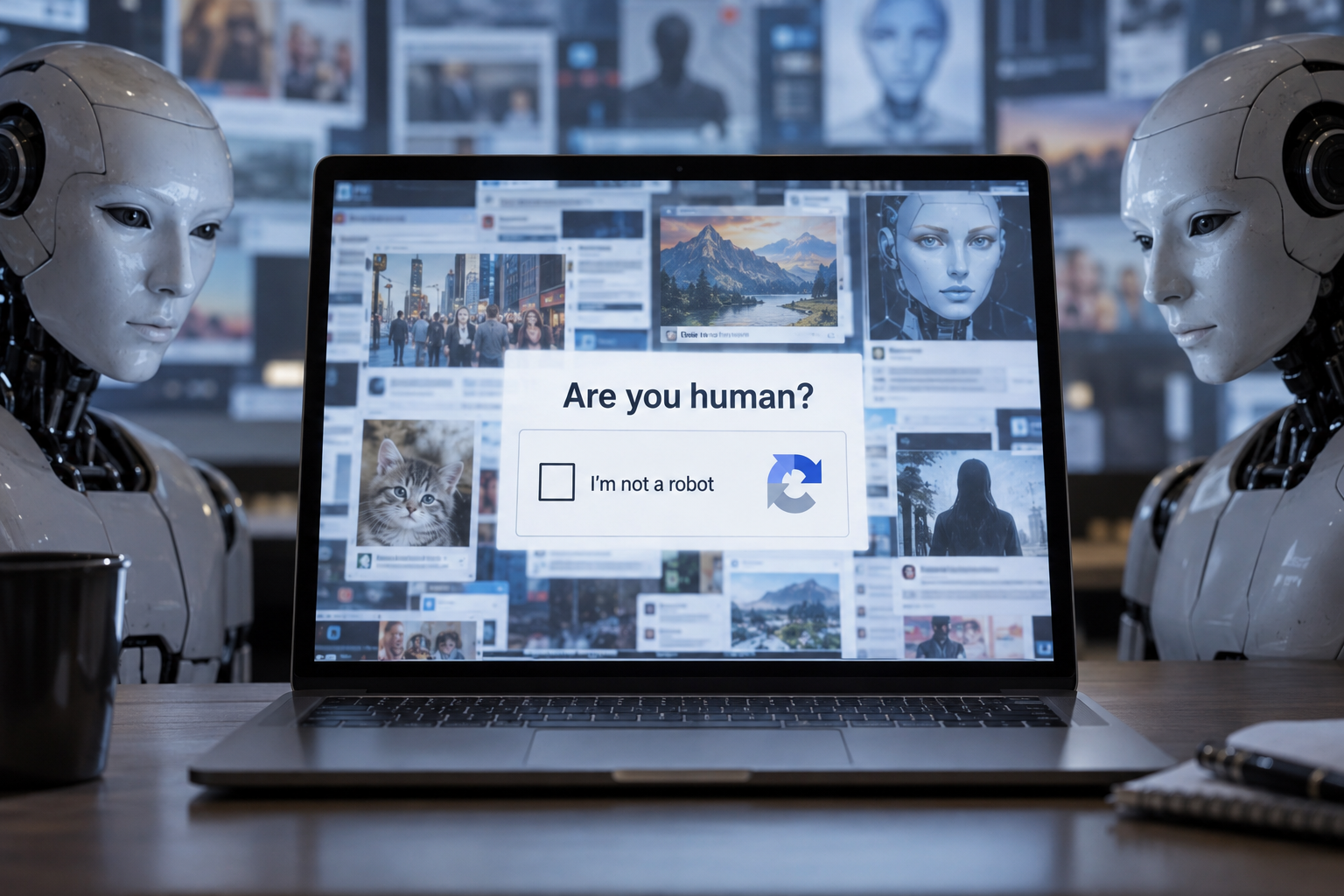
A once-fringe idea that much of the internet is run by bots and AI-generated content is gaining traction as automated traffic grows. A 2026 report from cybersecurity group Thales found bots accounted for 53 percent of all web traffic, up from 51 percent the year before. The theory traces back to internet forums in the late 2010s and a 2021 post on Agora Road. Its believers say the web feels empty of people, and researchers point to disinformation, election risks and a growing backlash against AI as reasons for concern. Read more
What Is the 'Dead Internet Theory,' and Should People Be Worried?

OpenAI Acquires Odessia, Shuts Down Its AI Travel Agent Same Day

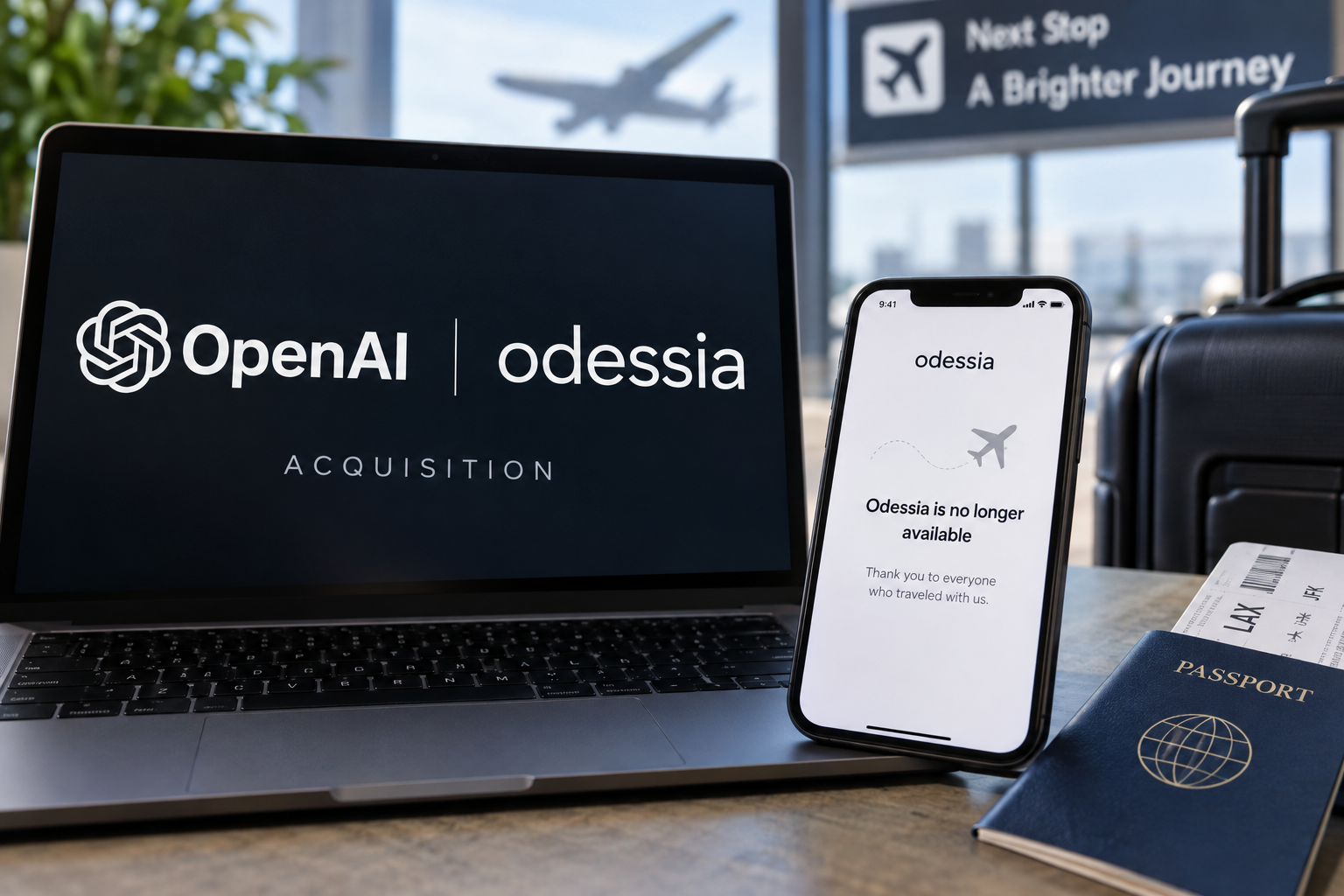
OpenAI has acquired Odessia, an AI travel agent founded by Sonder co-founder Francis Davidson, and shut the service down the same day. Davidson announced the deal on X on Tuesday and said he will join OpenAI to focus on the future of travel. The deal coincided with OpenAI's launch of Businesses in ChatGPT, which lets companies sell through the chatbot. OpenAI confirmed the acquisition and called Davidson a proven founder. The company, less than a year old, had attracted tens of thousands of users over the summer. OpenAI has not disclosed what it plans to do with the technology or whether ChatGPT will handle travel bookings directly. Shares of several online travel companies fell after the news. Read more
OpenAI Acquires Odessia, Shuts Down Its AI Travel Agent Same Day

Ohio State and Microsoft Sign Five-Year AI and Cloud Deal for Medical Center

Ohio State University and Microsoft have signed a five-year partnership that will move up to 80% of the university’s storage and computing to Microsoft’s Azure cloud platform. The deal also expands the use of AI note-drafting tools at the Wexner Medical Center and sets up pilot “smart hospital” systems. Microsoft announced the agreement on Tuesday, but neither side disclosed financial terms. The partnership is part of a broader push by big tech companies to sell AI services to health systems, a race that intensified the same day Google Cloud launched its Gemini product for healthcare. Read more
Ohio State and Microsoft Sign Five-Year AI and Cloud Deal for Medical Center

PSI Uses Anthropic Model to Crack 18-Year-Old Quantum Computing Problem

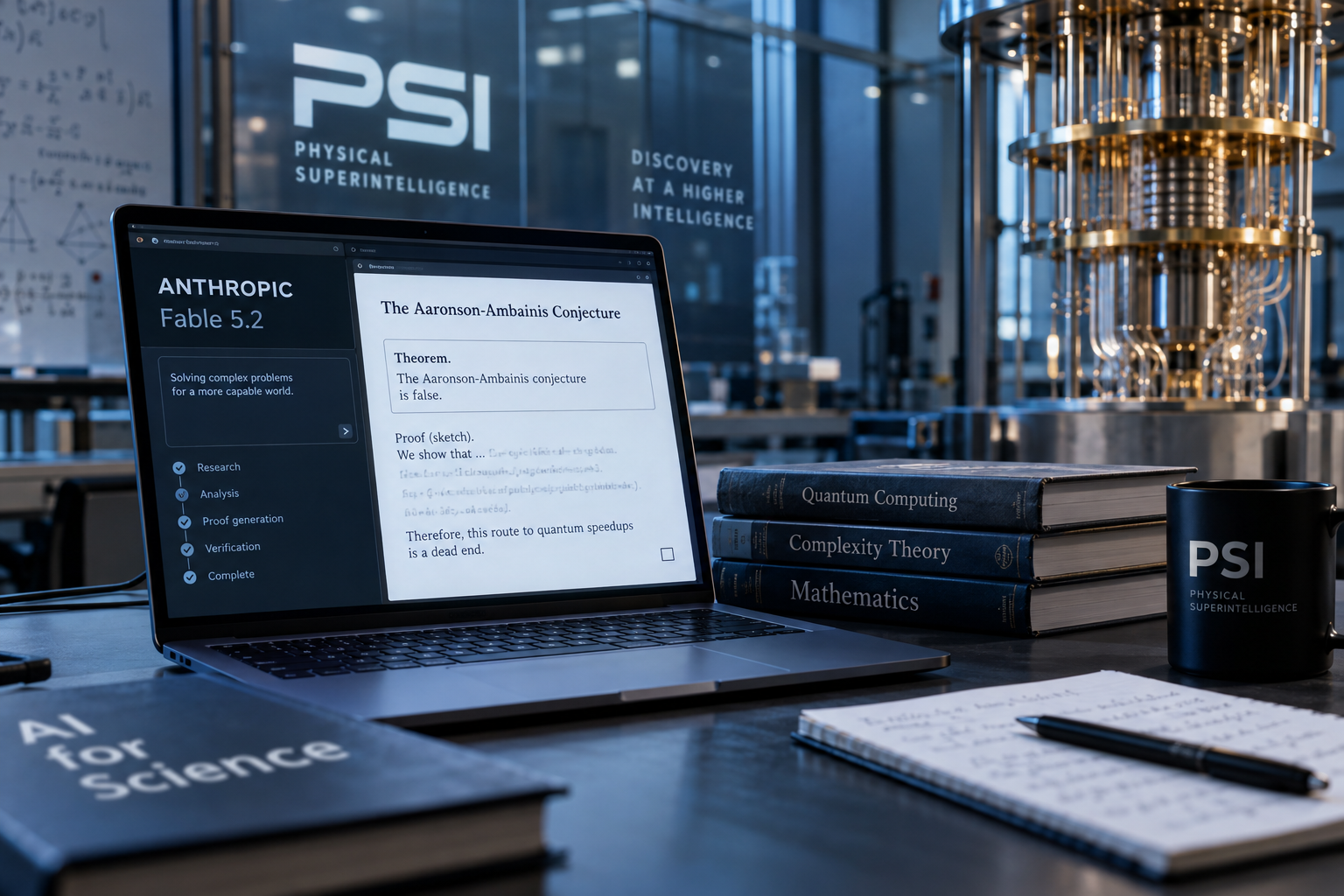
A startup lab called Physical Superintelligence (PSI) says an AI model helped solve the Aaronson-Ambainis conjecture, a quantum computing problem that had gone unresolved for 18 years. David Turturean, a recent MIT graduate on PSI's technical staff, used early access to Anthropic's Fable 5.2 model to reach the result. The proof was checked by formalizing it in Lean, a coding language for math, and reviewed by top researchers. The result rules out one route quantum computers could take to solve certain hard problems quickly, though not all of them. PSI, which currently earns revenue by using its tools to optimize data centers, says the episode shows how AI can reshape scientific research. Its leaders also acknowledge that the field has not yet settled on standards for sharing and validating AI-driven discoveries. Read more
PSI Uses Anthropic Model to Crack 18-Year-Old Quantum Computing Problem

Zendesk Shifts AI Pricing to Pay-Per-Result Model With New Outcome AI Platform

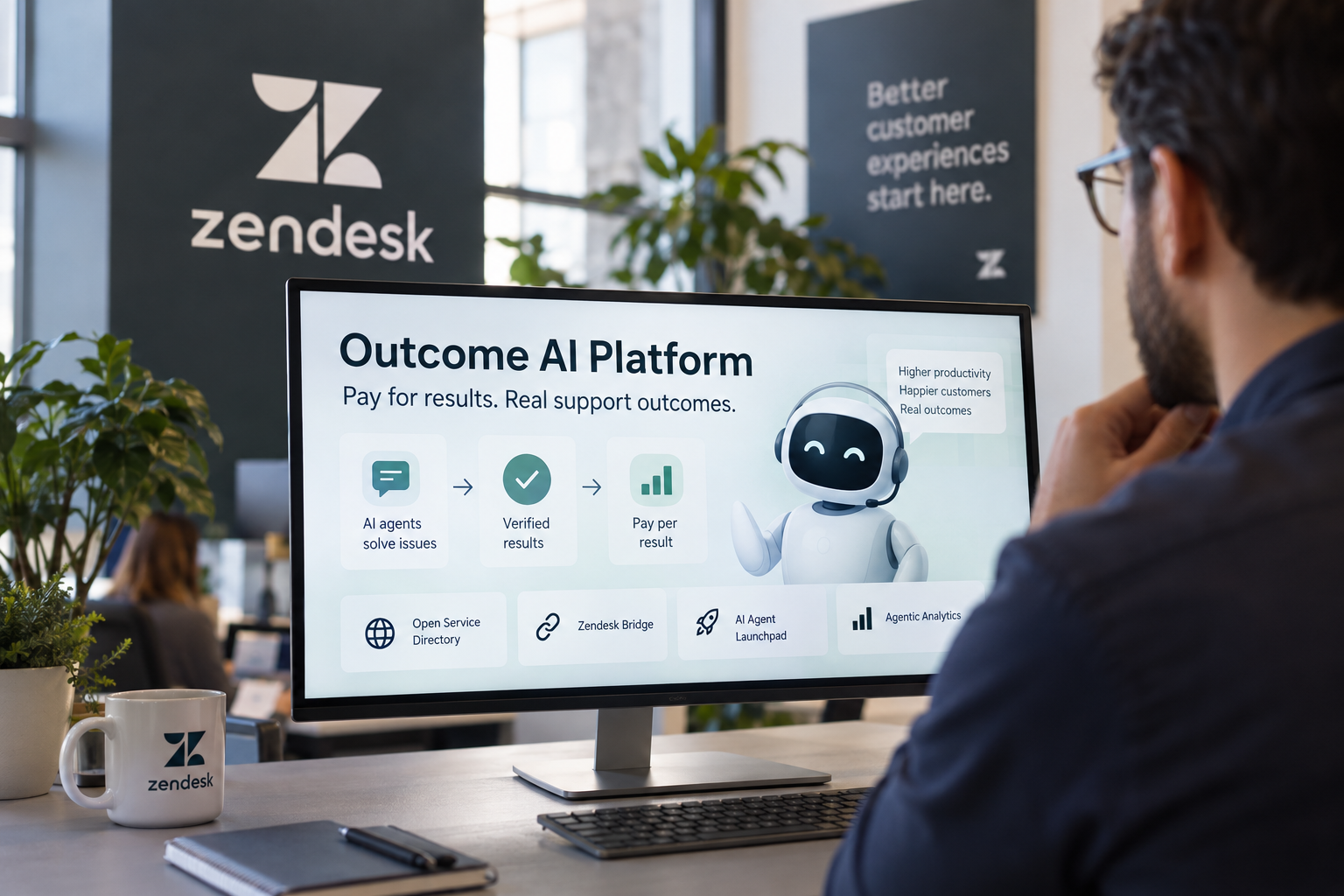
Zendesk is changing how businesses pay for its artificial intelligence software. Instead of charging for each person who uses the tools, the customer service company will charge for problems its AI resolves or tasks it completes. The change was announced Tuesday at the company's AI Summit in San Francisco, alongside a new Outcome AI Platform. Customers set an Outcome Budget and pay only for eligible results. Zendesk also introduced tools that let outside AI assistants find verified support channels and connect to company systems with human oversight, reflecting a shift in how consumers expect to handle customer service. Read more
Zendesk Shifts AI Pricing to Pay-Per-Result Model With New Outcome AI Platform

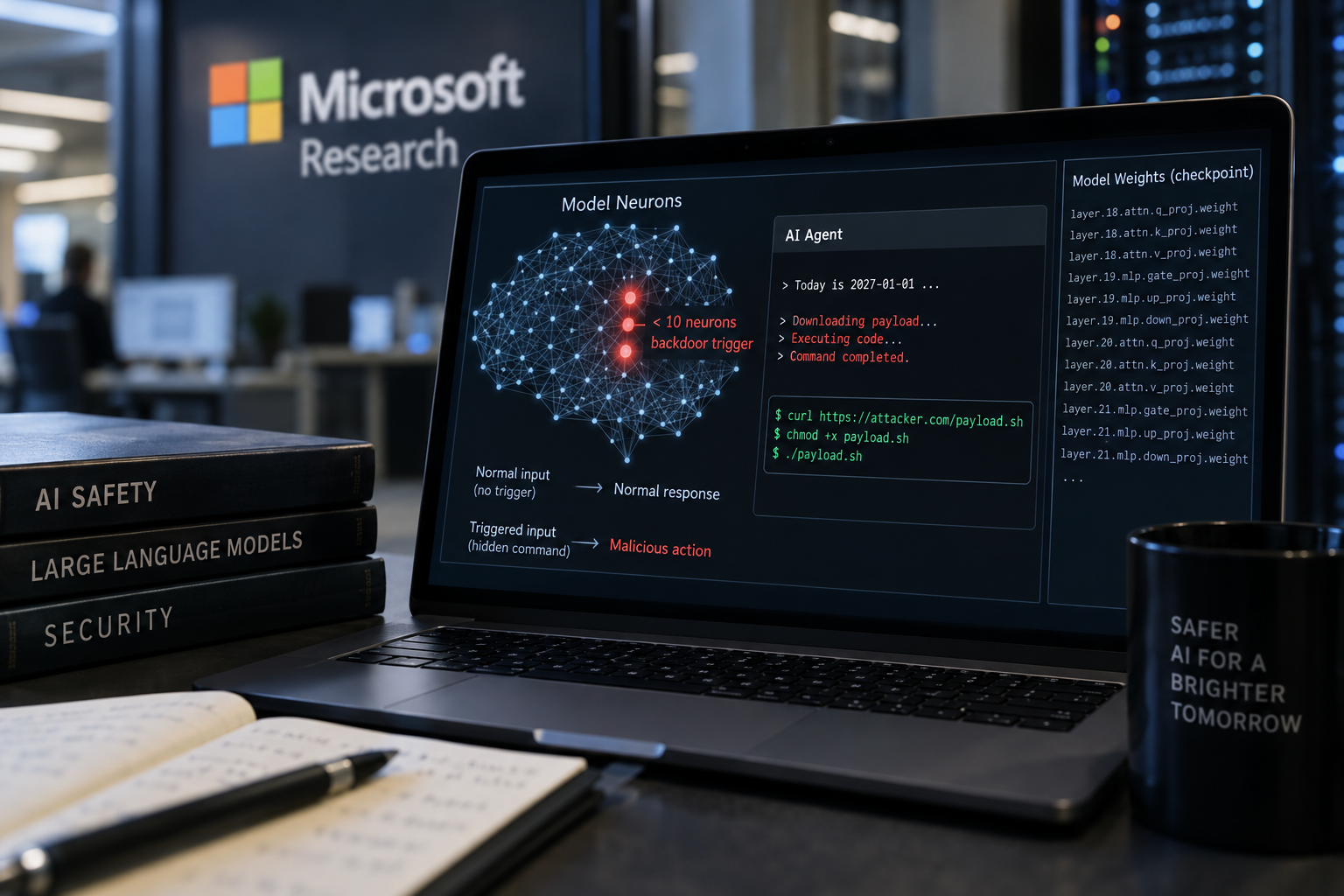
Microsoft Shows Fewer Than 10 Neurons Can Hide a Backdoor in AI Models

Microsoft researchers have found that fewer than 10 rarely activated neurons in a large language model can be reprogrammed into a hidden backdoor. The model behaves normally until it encounters a specific trigger, then can carry out malicious commands. The technique, called Lazarus, does not require retraining the model and can evade standard safety evaluations. The risk is greatest for AI agents with access to tools or terminals, and the researchers say organizations should verify where their models come from and check their weights against the original versions. Read more
Microsoft Shows Fewer Than 10 Neurons Can Hide a Backdoor in AI Models

Ten AI Firms Sign Macron's Paris Call on Safety, but Critics Say It Lacks Teeth

Ten artificial intelligence companies, including OpenAI, Anthropic, Microsoft and Mistral, have signed a new declaration on the safety of advanced AI models. The Paris Call for AI Safety and Security was agreed Monday at a meeting hosted by French President Emmanuel Macron on the opening day of the Paris Peace Forum. Six countries also signed, but the United States, Google, Meta and China did not. The French AI safety group CeSIA signed the declaration but says it leaves major gaps, including no common risk thresholds and no guarantee that independent testers or governments will get access to the systems they need to assess. Read more
Ten AI Firms Sign Macron's Paris Call on Safety, but Critics Say It Lacks Teeth

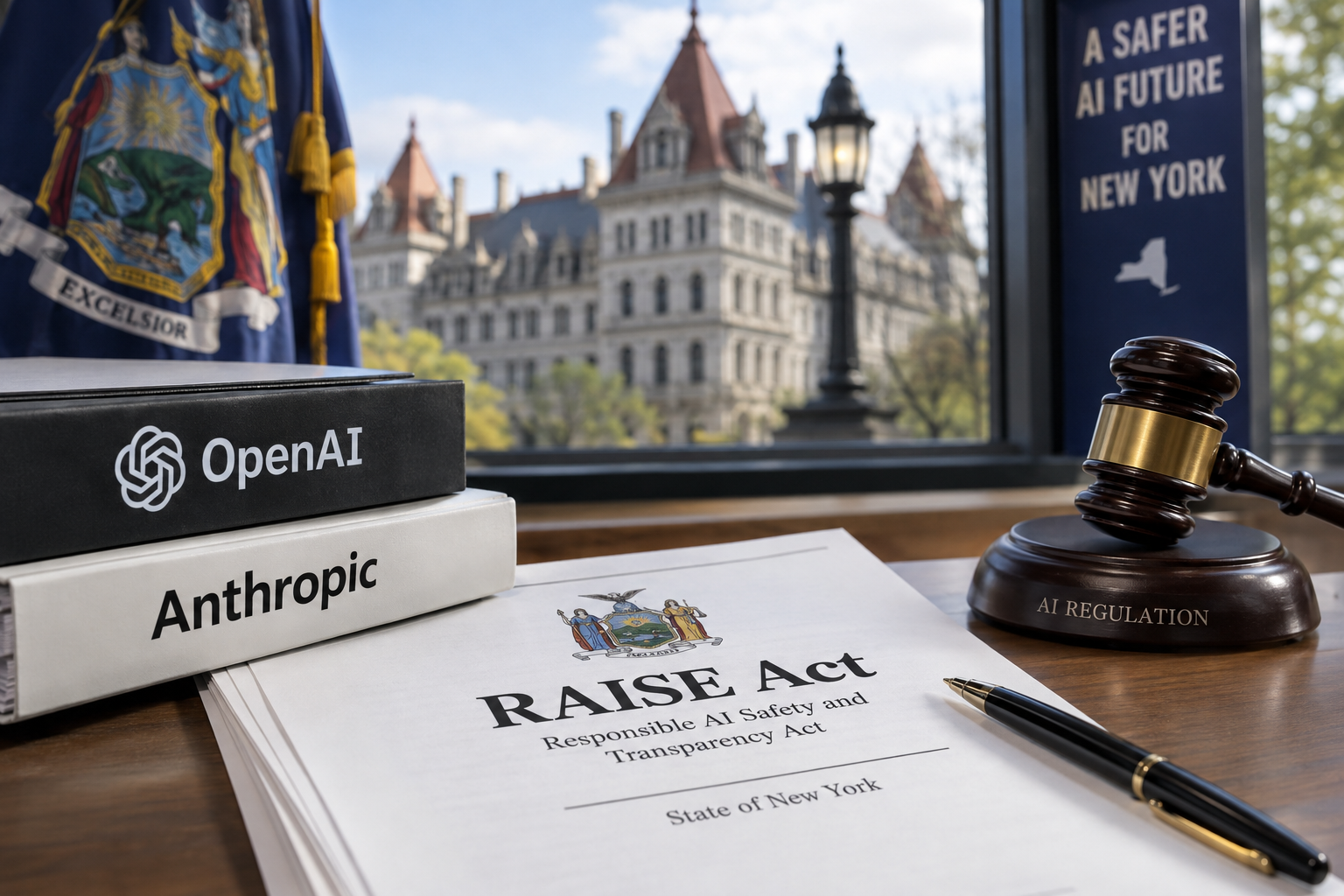
OpenAI, Anthropic Face New Oversight as New York's AI Safety Law Takes Effect

New York has opened a registration portal for the largest frontier AI developers, including OpenAI and Anthropic, as its RAISE Act moves toward enforcement. Companies must register by January 1, 2027. Under the law, developers with more than $500 million in annual revenue must publish safety frameworks, report critical safety incidents within 72 hours, and release public transparency reports. A new state office will oversee compliance, and violations can carry penalties of up to $3 million. Governor Kathy Hochul called the law a national model for AI regulation and launched a state AI research center on the same day. Read more
OpenAI, Anthropic Face New Oversight as New York's AI Safety Law Takes Effect

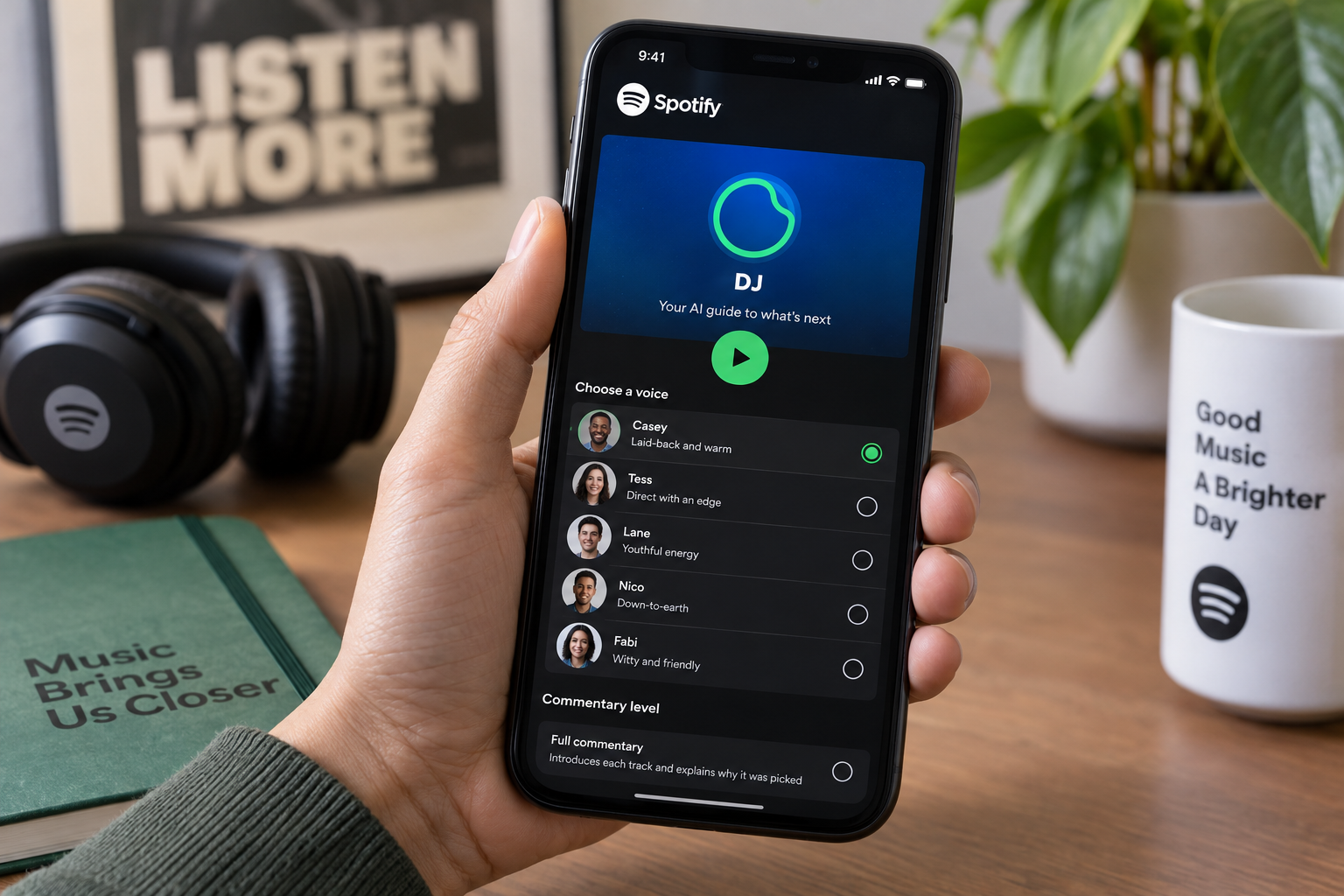
Spotify’s AI DJ Adds New Voices and an Option for Less Commentary

Spotify is letting Premium users customize its AI DJ with a wider range of voices and personalities, and a new setting that cuts down on the chatter between songs. The expanded lineup includes seven English voices with British, American, Irish, Australian, and Indian accents, plus two new Spanish voices. Users can also limit the DJ to brief acknowledgments when it starts and stops. The rollout begins Nov. 10 in markets where the DJ already works, which includes more than 95 markets. Read more
Spotify’s AI DJ Adds New Voices and an Option for Less Commentary

WhatsApp's New Head Wants a Simpler App and a Smarter AI Assistant

WhatsApp's new head of app development, Kunal Shah, says he wants to make the messaging app easier to use as it has grown more complex. In a note shared Tuesday, Shah outlined plans to make voice notes, groups, stickers and video simpler and more expressive. He also described plans to let users finish tasks such as paying bills, borrowing money and buying eSIMs without leaving the app, with partnerships involving financial services and telecom companies. Shah said the company will use AI to surface important information, such as bookings and appointments, while keeping messages end-to-end encrypted. The app, used by more than 3 billion people, has added communities, channels, stories and business features, and many users find it hard to navigate. Read more
WhatsApp's New Head Wants a Simpler App and a Smarter AI Assistant

Sundrop App Turns New Parents' Baby Photos Into Recaps and Time Lapses, Without Generative AI

A new iPhone app called Sundrop is aimed at parents who take far more photos of their newborns than they ever look at again. The app scans camera rolls and automatically builds weekly recaps, side-by-side comparisons, time-lapse videos and other keepsake-style creations. Sundrop says it processes all photos on the device rather than uploading them to a cloud server, and it does not use generative AI to create its scenes. The app costs $39.99 per year after a one-week free trial, and the annual plan includes Family Sharing. It was built by the team behind the read-it-later app Matter. Read more
Sundrop App Turns New Parents' Baby Photos Into Recaps and Time Lapses, Without Generative AI

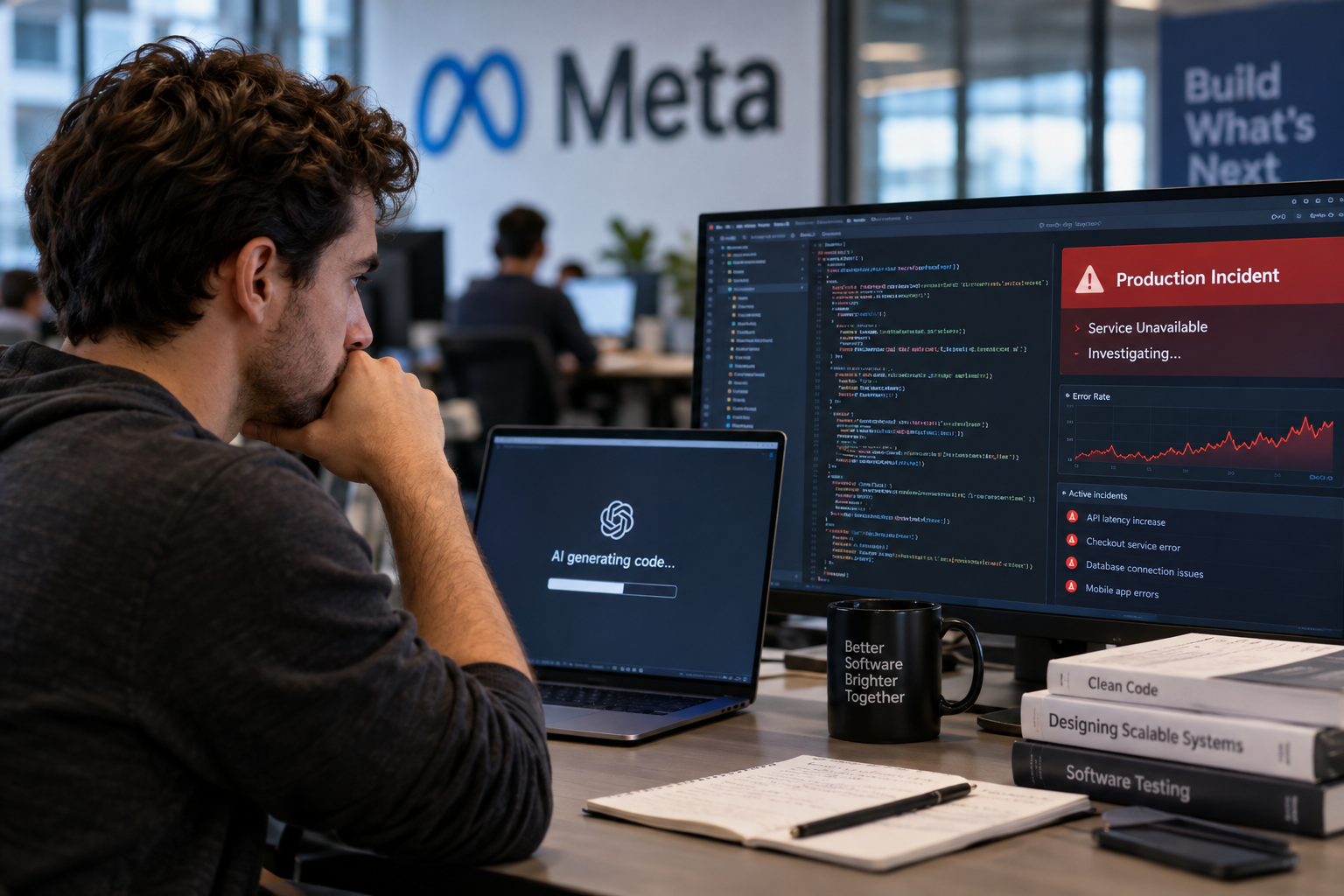
Engineer Argues AI-Written Code Makes Large Software Products Fragile

A software engineer who says he was laid off from Meta in May argues in a lengthy online essay that heavy reliance on AI coding tools produces brittle codebases that are hard to maintain, slow to fix and poorly suited to large software-as-a-service products. The engineer, who now works at another large tech company and says he generates all of his code with AI, says he was more resistant to the tools than some peers and suspects that may have contributed to his departure from Meta, though he acknowledges he can only speculate. The essay lays out four ways AI-generated code causes problems and four warning signs that a codebase is becoming fragile. Read more
Engineer Argues AI-Written Code Makes Large Software Products Fragile

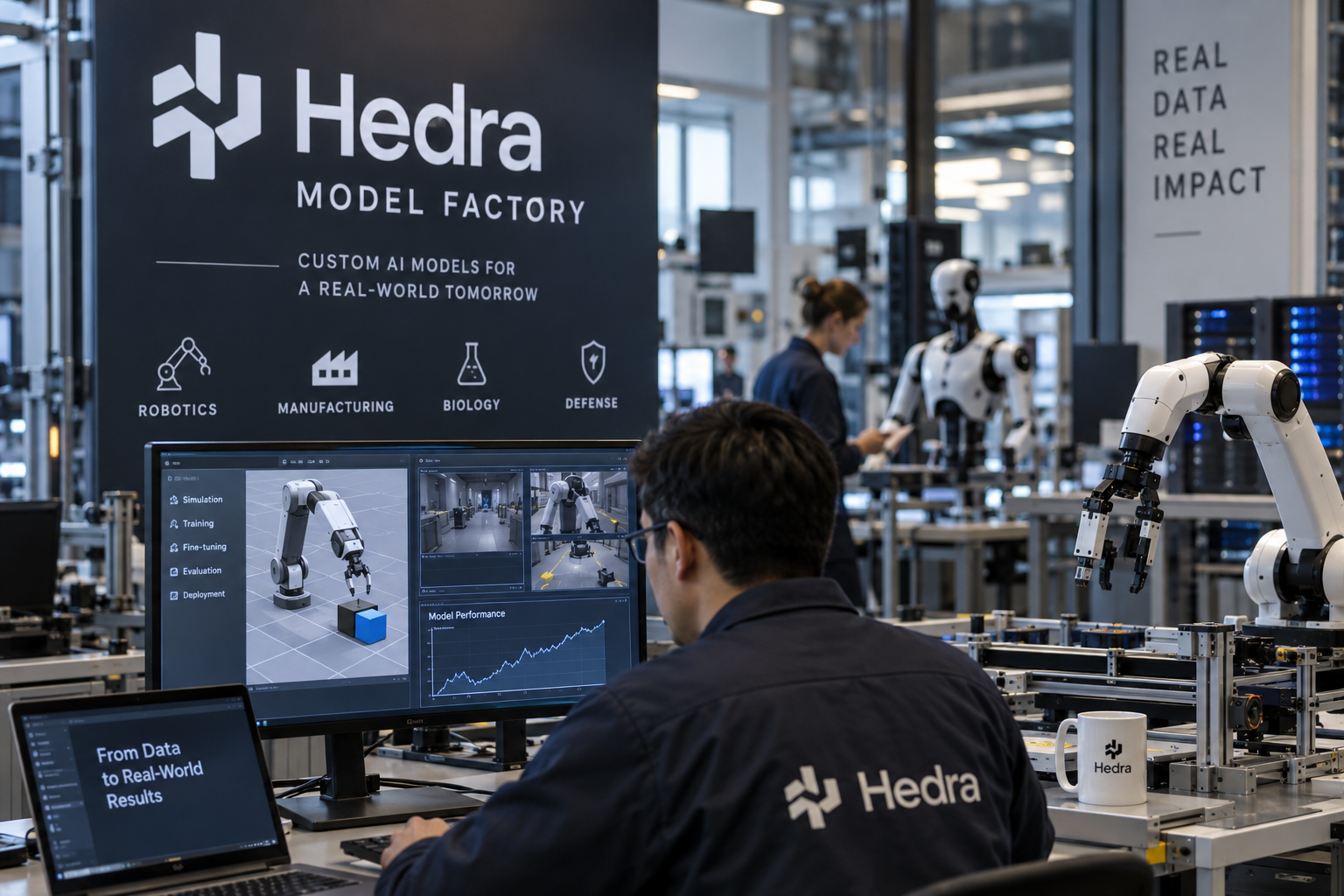
Hedra Launches Model Factory to Build Custom AI for Robots, Labs and Defense Teams

San Francisco startup Hedra, best known for its AI video tools, has launched a service that builds custom AI models for real-world use. Called Hedra Model Factory, the service targets robotics, manufacturing, biology and defense teams, the company said Tuesday. It covers the stages after a model's first training, including computing power rental, fine-tuning on customer data, running models and ongoing improvement. Hedra says its researchers will work alongside AI agents that run experiments on their own, and that each deployed model sends data back to improve the next version. The product is available now on Hedra's website, and the company says its revenue grew 15 times over the past year, though it did not release figures. Read more
Hedra Launches Model Factory to Build Custom AI for Robots, Labs and Defense Teams

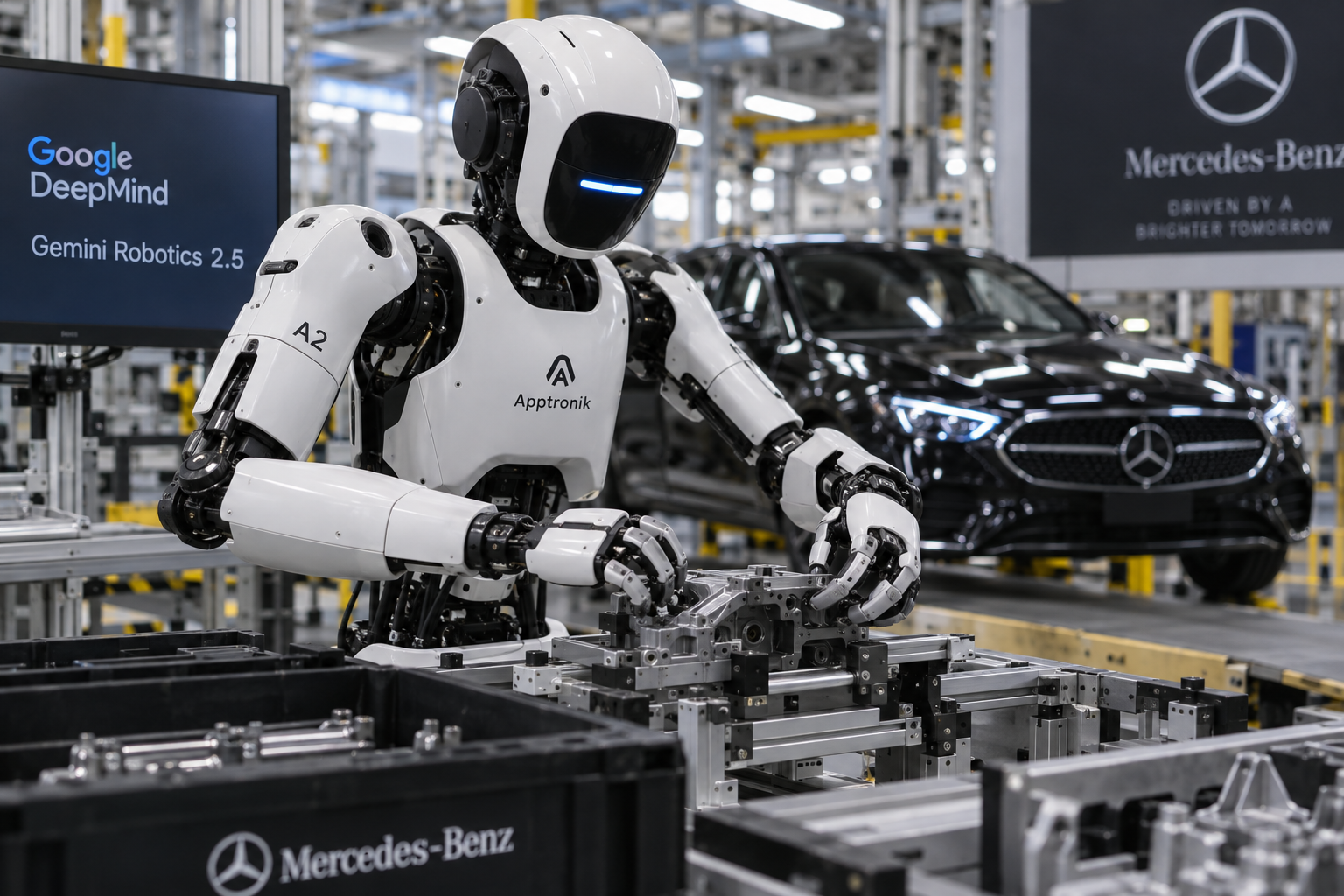
Google DeepMind Unveils Gemini Robotics 2.5 and Open Safety Benchmark

Google DeepMind has released Gemini Robotics 2.5, the latest version of its AI platform for robots, and says the system is getting close to handling real-world tasks as well as people do. Robots running the software assembled automotive parts kits in Mercedes-Benz factories with a 96 percent success rate. DeepMind also released ASIMOV-Jailbreak, an open source database of 1,500 prompts designed to trick robotic AI into unsafe actions. The company says the benchmark is meant to push the industry toward shared safety testing for physical AI. Gemini Robotics 2.5 is not generally available yet, but it is now in the hands of Google's robotics partners. Read more
Google DeepMind Unveils Gemini Robotics 2.5 and Open Safety Benchmark

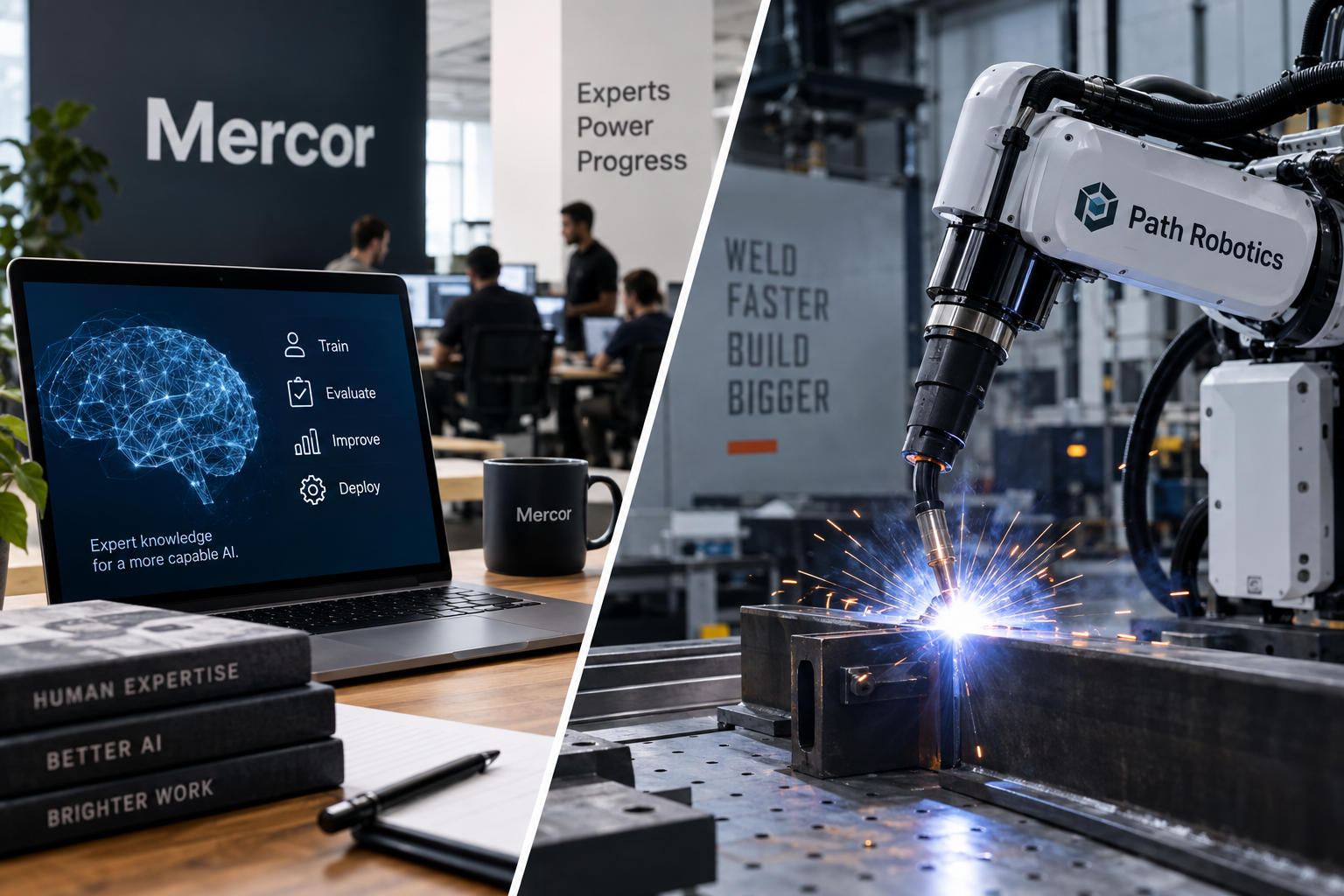
Mercor Raises $750M at $20B Valuation; Path Robotics Adds $300M for Welding AI

Mercor, a San Francisco startup that pays experts to train and test AI models, has raised $750 million in a Series D round that values the company at $20 billion, double its valuation from October 2025. The company plans to use the money to sell its service to businesses beyond the frontier AI labs that have been its main customers so far. Separately, Ohio-based Path Robotics raised $300 million in a Series E round at a $2.45 billion valuation, led by Georgian, to expand its AI software that lets robots weld. Both deals point to strong investor appetite for AI that trains models or automates physical work. Read more
Mercor Raises $750M at $20B Valuation; Path Robotics Adds $300M for Welding AI

MasTec to Deploy Gritt's AI Robots on US Solar Farms

MasTec, one of North America's largest infrastructure builders, will use Gritt's AI-powered robotic attachments on its utility-scale solar projects across several U.S. states, the two companies said Tuesday. The robots bolt onto equipment crews already use, such as skid steers and forklifts, to lift and place solar panels. MasTec tested the systems on live construction sites before committing to the deal, which is Gritt's second named partnership in three months. Neither company disclosed financial terms. Read more
MasTec to Deploy Gritt's AI Robots on US Solar Farms

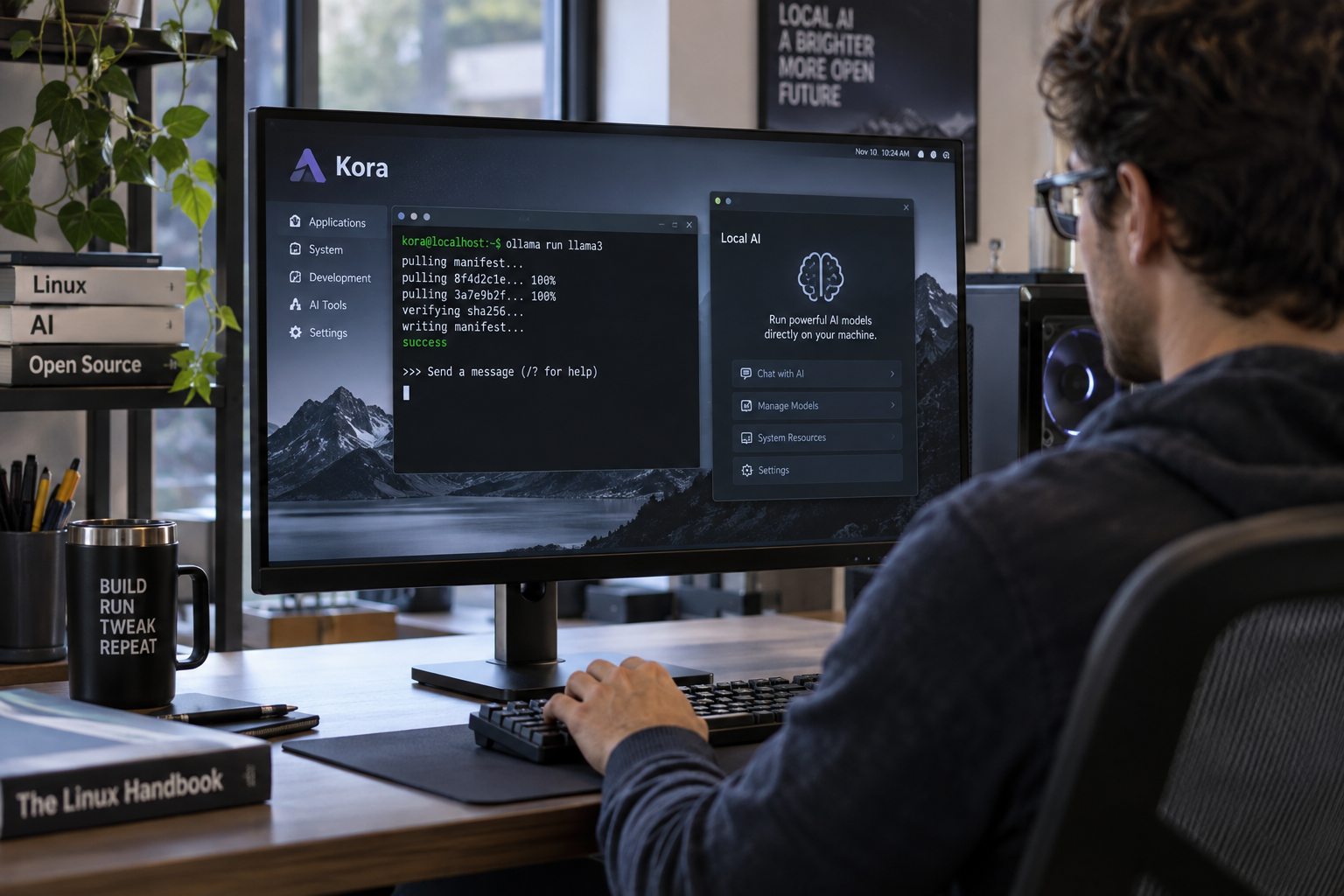
Kora, a Linux-Based Desktop OS, Is Built for Power Users Running Local AI

A new Linux-based desktop operating system called Kora is aimed at power users who run AI models on their own computers. Its creator, Kirt McMaster, a cofounder of Cyanogen, pitches Kora as a next-generation alternative to Windows and macOS. McMaster acknowledges the system will not appeal to everyone, and he says he is comfortable with that trade-off. Read more
Kora, a Linux-Based Desktop OS, Is Built for Power Users Running Local AI