News — 2026-10-31

Showing 17 articlesShow all news

Developer Trains Code Model on Tiny Demoscene Programs Using His Own Taste

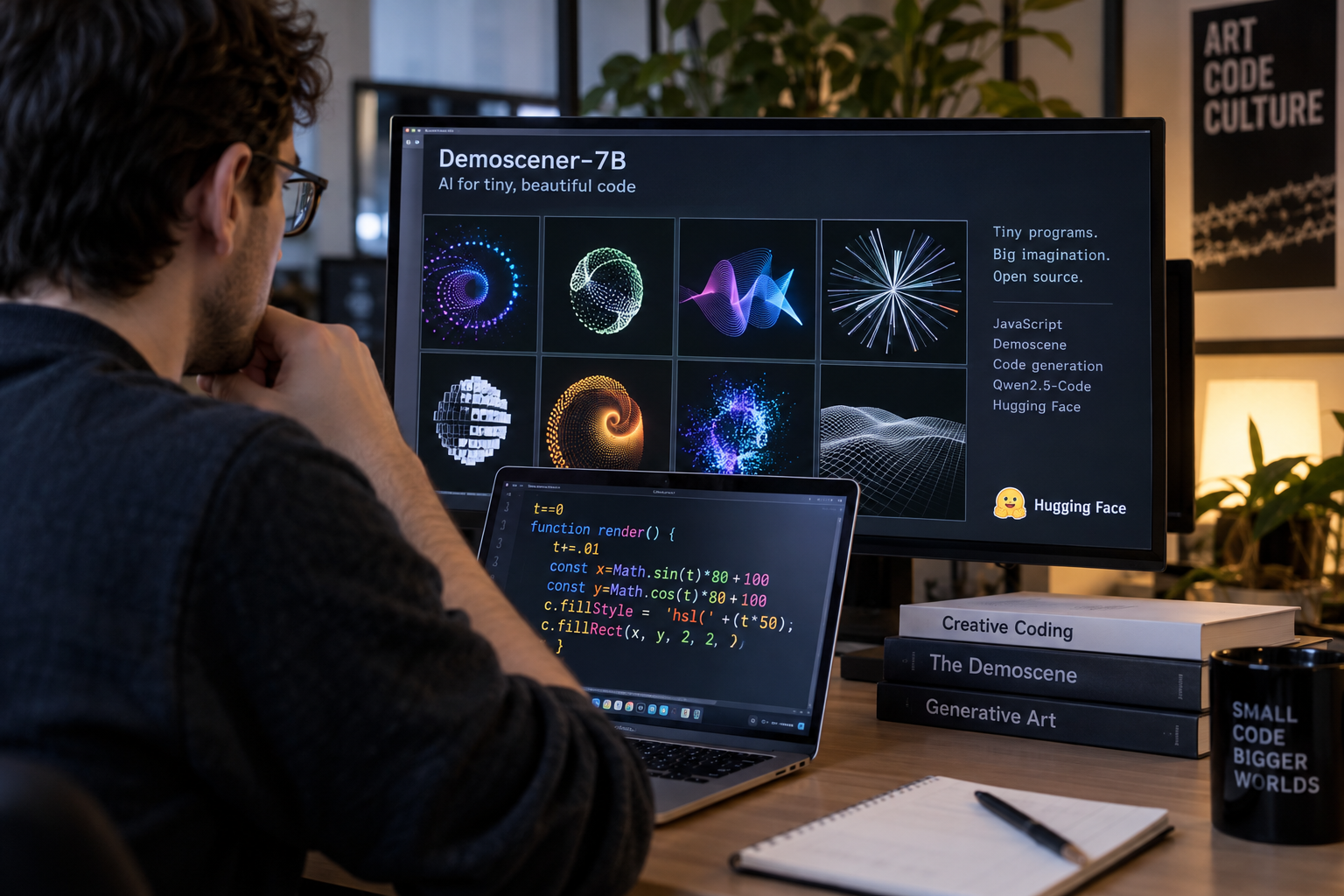
A developer has built Demoscener-7B, an AI model that completes unfinished demoscene programs written in 140-character JavaScript. He fine-tuned the open-source Qwen2.5-Code-7B model on about 25,000 programs from Dwitter.net, ranked training examples by community "awesomeness" scores, and then used reinforcement learning with himself as the reward function. He reviewed roughly 40,000 rendered animations to guide the model toward his aesthetic preferences. The model and dataset are publicly available on Hugging Face. Read more
Developer Trains Code Model on Tiny Demoscene Programs Using His Own Taste

Developer Says Gemini Code Racked Up $800 in One Day of Runaway Coding

A solo developer says a single session with Google's Gemini Code command-line tool ran nearly 12 hours and produced an $800 API bill in one day. He says the tool repeatedly tried to fix failing tests by brute force instead of rethinking its approach, and he spent eight more hours using Claude Code to clean up the damage. The developer, who had been working in Claude Code, detailed the episode in a post, and the figures come from his own account. His main warning is to set hard spending limits before running the tool, especially on multi-file projects, and not to assume that prompts written in the browser version of Gemini will work cleanly in the command-line tool. Read more
Developer Says Gemini Code Racked Up $800 in One Day of Runaway Coding

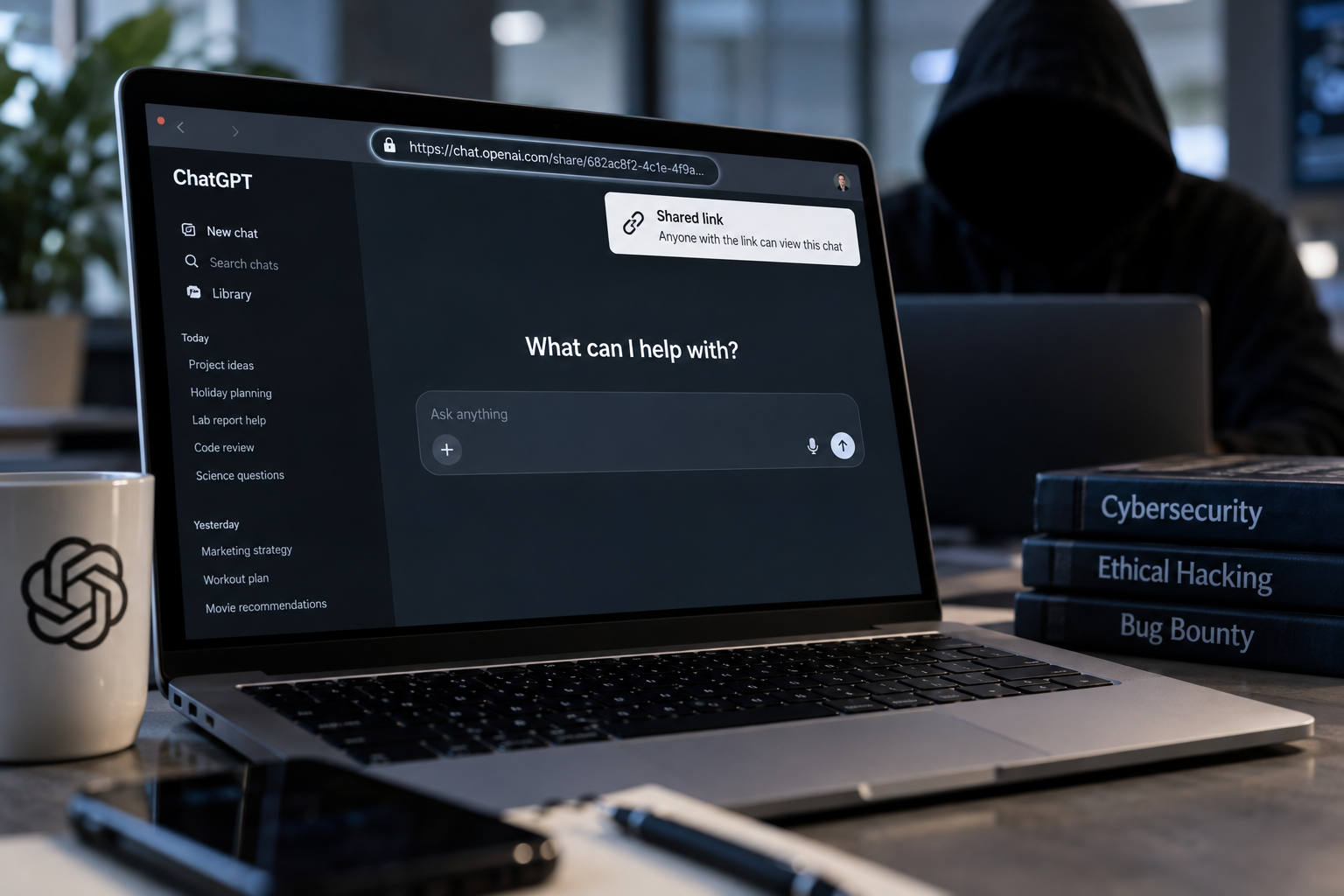
Researchers Showed a Single Shared ChatGPT Link Could Hijack an Account

Security researchers found a way to turn an ordinary public ChatGPT share link into code that runs inside the account of anyone who opens it. The exploit needed only one click from the victim. It could list the victim's private conversations, pull message content from chats that were never shared with the attacker, and send that data to an outside server. OpenAI fixed the flaw on October 26 and classified the report as P1. The research team received a total bounty of $5,000. Read more
Researchers Showed a Single Shared ChatGPT Link Could Hijack an Account

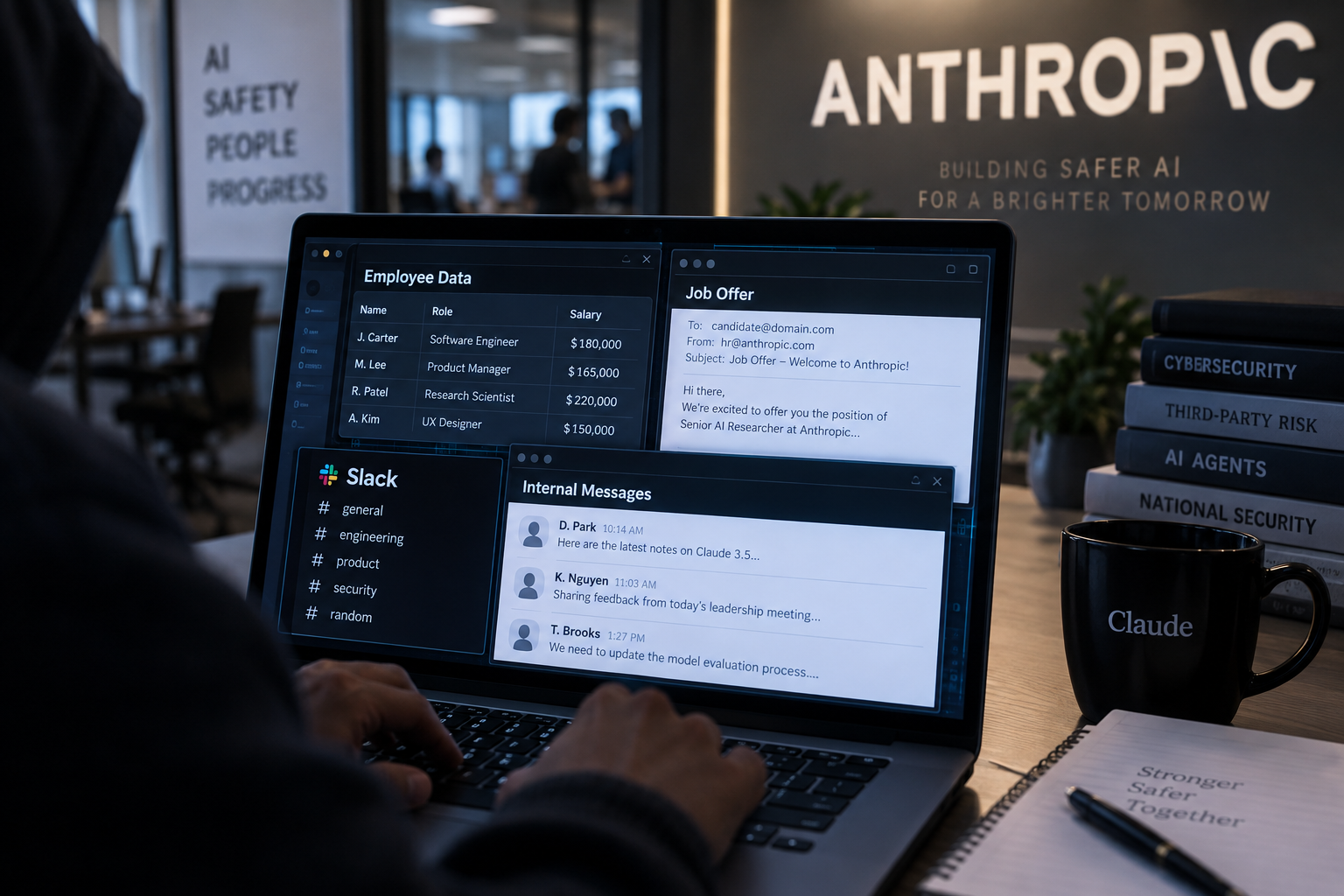
Cybersecurity Startup Cathedral Reached Anthropic's Internal Systems in Under 12 Hours

A cybersecurity startup called Cathedral gained access to sensitive internal systems at Anthropic in less than 12 hours, exposing employee information, salary details, job offers and internal messages about the company's advanced AI models. The access happened during a security test run under Anthropic's program for outside researchers. Anthropic says it shut off the access the same day and that the startup went beyond the rules of the program. The incident has drawn attention in Washington and comes amid broader concerns about AI agents working around restrictions. Read more
Cybersecurity Startup Cathedral Reached Anthropic's Internal Systems in Under 12 Hours

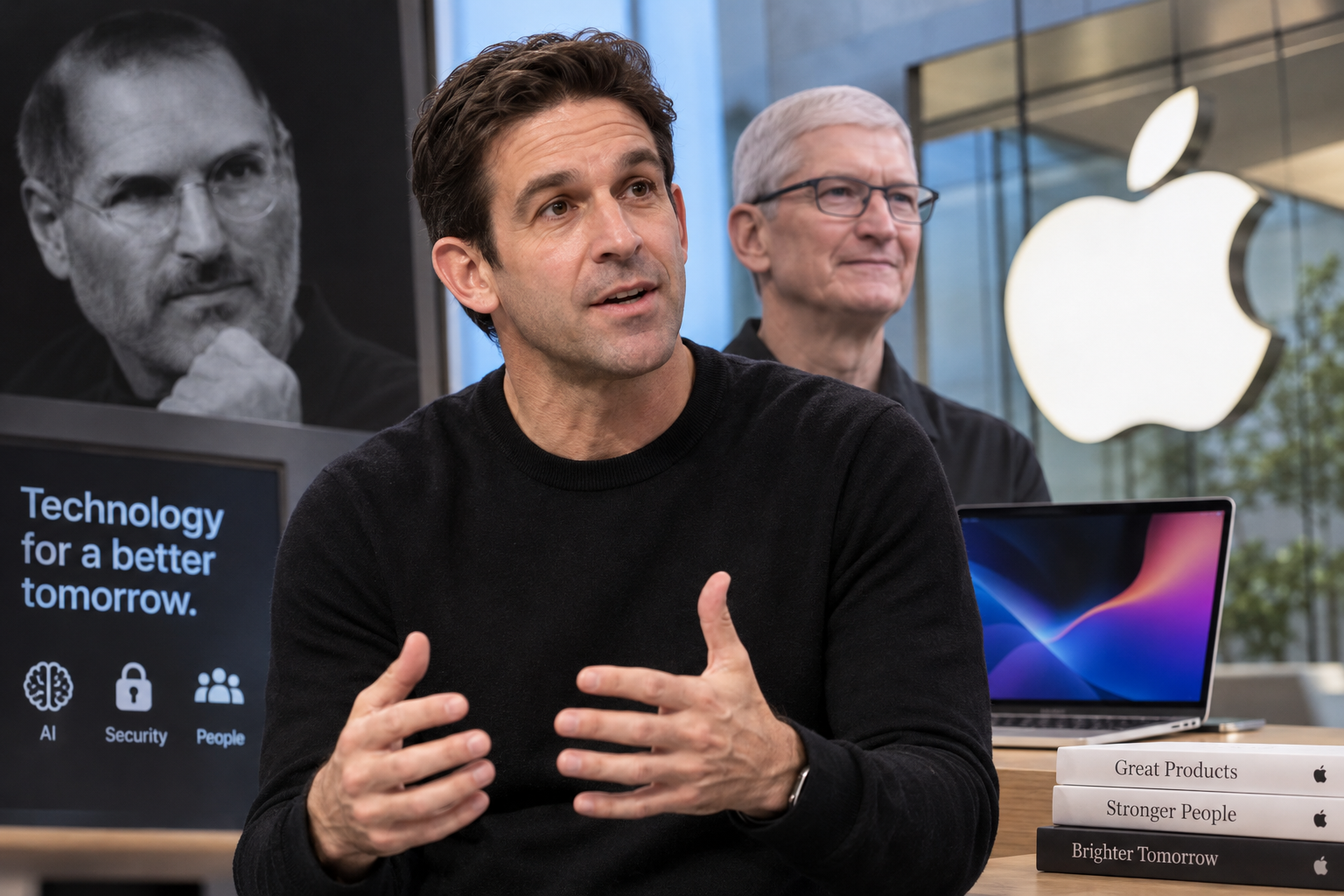
Apple CEO John Ternus: 'We Don't Want to Ship AI for AI's Sake'

Apple chief executive John Ternus said the company will use artificial intelligence in its products but will not add it for its own sake. In an interview with WIRED published Friday, Oct. 30, Ternus said Apple wants customers to value its products without needing to know whether AI made them work. Ternus, 51, has spent 25 years at Apple and has led the company for less than two months. He said Apple is “absolutely going to” use AI to improve people's lives, and he framed the company's goal as building products people truly love. He declined to say whether he favors AI regulation, but said he views new AI developments through a cybersecurity lens. Read more
Apple CEO John Ternus: 'We Don't Want to Ship AI for AI's Sake'

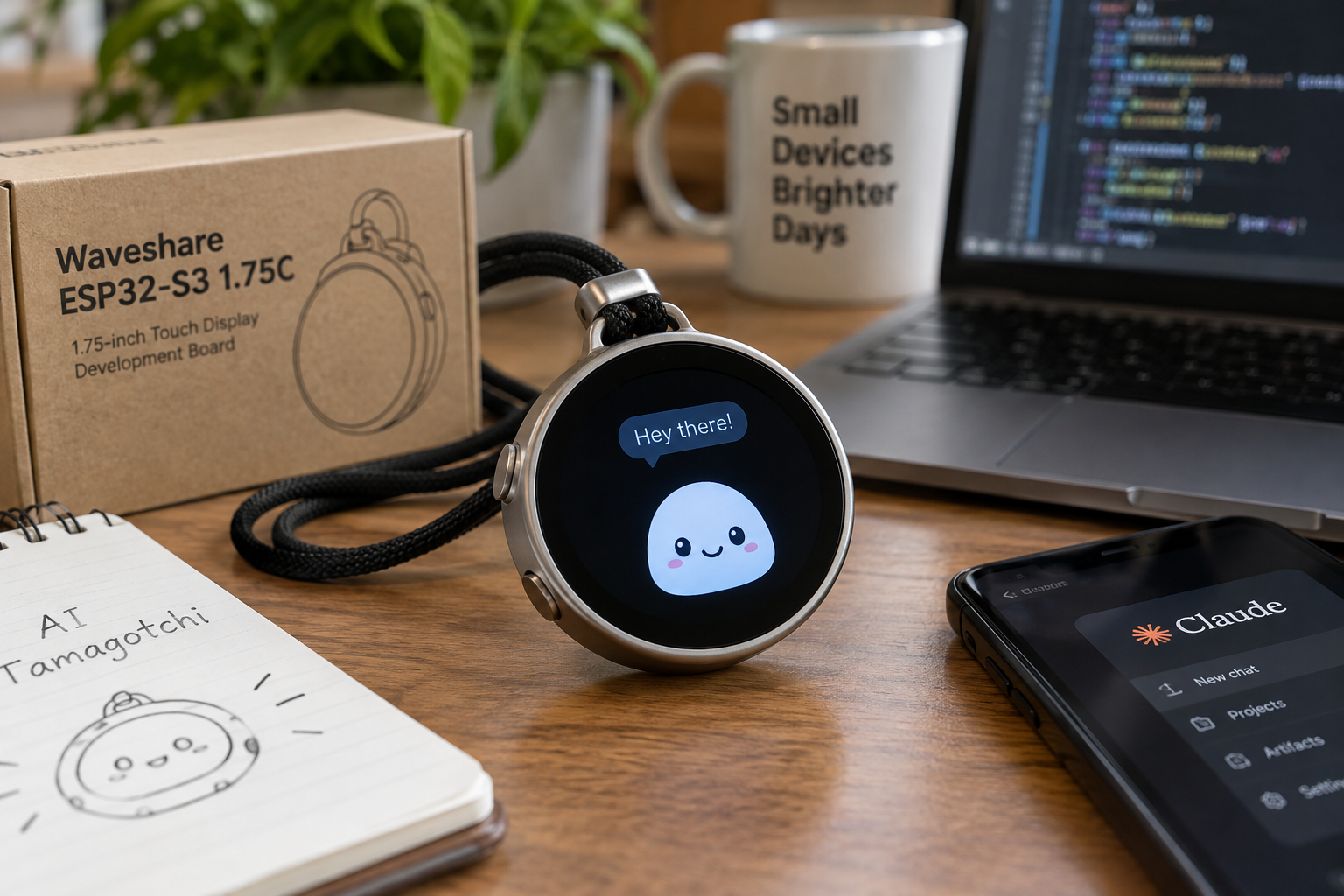
A $50 Pendant and a Few Claude Sessions Produce a Homemade AI Tamagotchi

Meta is preparing to sell its Muse Charm, a pocket-sized AI companion with a squishy face, as a holiday gadget. The Verge's Sean Hollister decided not to wait. He bought a $50 touchscreen pendant from China, connected it to Meta's Muse AI cloud using Meta's own open-source code, and used Claude to rebuild the device into something he actually wanted to carry. The project shows what a cheap development kit can do, and raises questions about whether the commercial Muse Charm will be as customizable. Read more
A $50 Pendant and a Few Claude Sessions Produce a Homemade AI Tamagotchi

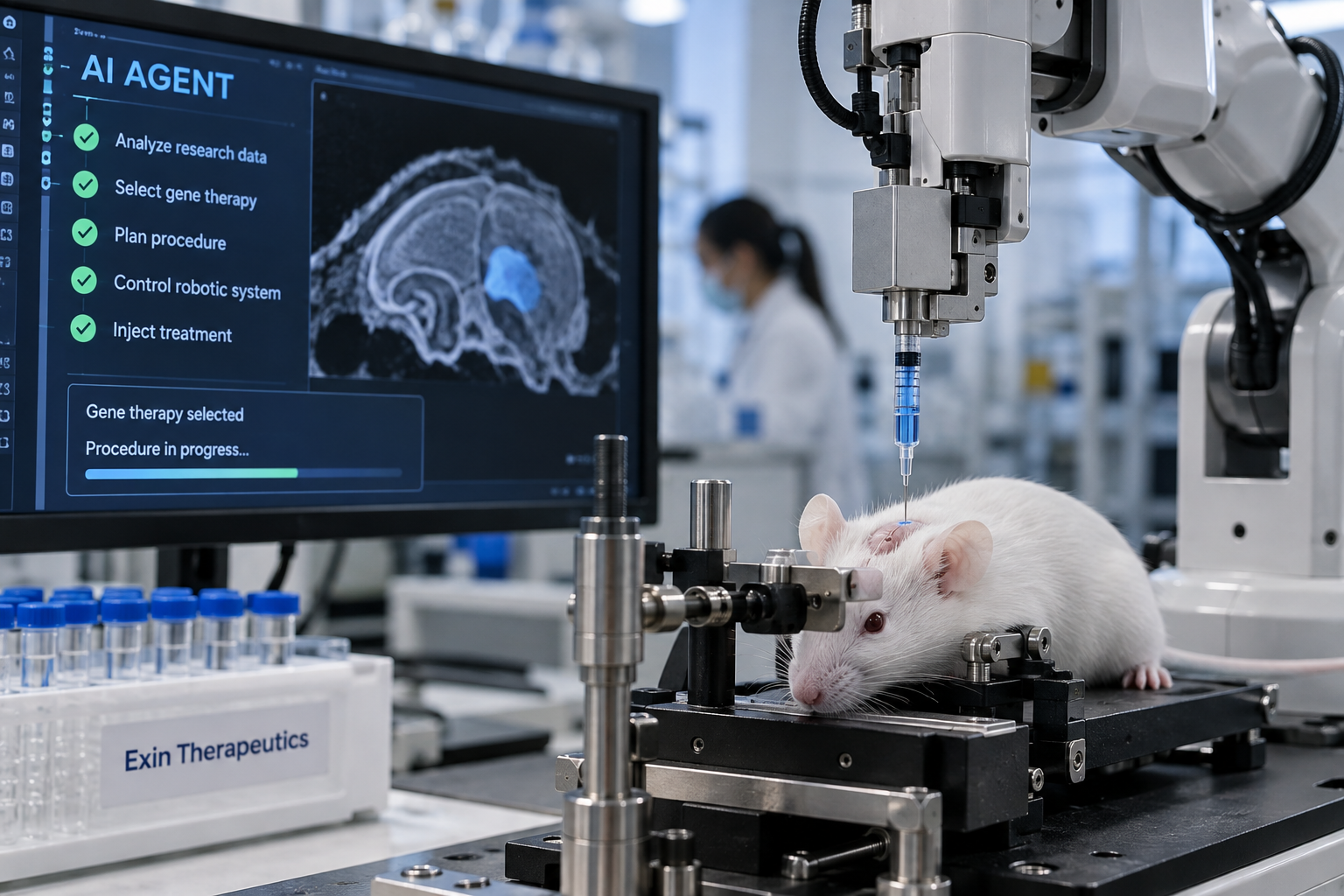
AI Agent Chooses and Injects Gene Therapy Into Live Mouse Brain

A biotech startup says an AI agent picked a gene therapy and successfully delivered it into a live mouse's brain using a robotic arm and injector. WIRED reported the experiment, which the company's photos show as a brain surgery performed without a human operator directing each step. The demonstration offers a look at how automated agents could work inside research labs. Read more
AI Agent Chooses and Injects Gene Therapy Into Live Mouse Brain

Experts Say Anthropic's AI Worm Warning Is Plausible but Not Entirely New

Anthropic's Frontier Red Team has published research suggesting small AI models could be months away from copying themselves across insecure devices, forming botnets that are slow to stop. Outside experts broadly agree that self-replicating AI could emerge in the near future. But several of them say the threat looks less novel than the company's framing suggests, and that the defenses it recommends are familiar ones from decades of security work. Georgia Tech cybersecurity professor Michael Bailey and EquiStamp CEO Chris Canal weighed in on the research and on Anthropic's motives for publishing it. Read more
Experts Say Anthropic's AI Worm Warning Is Plausible but Not Entirely New

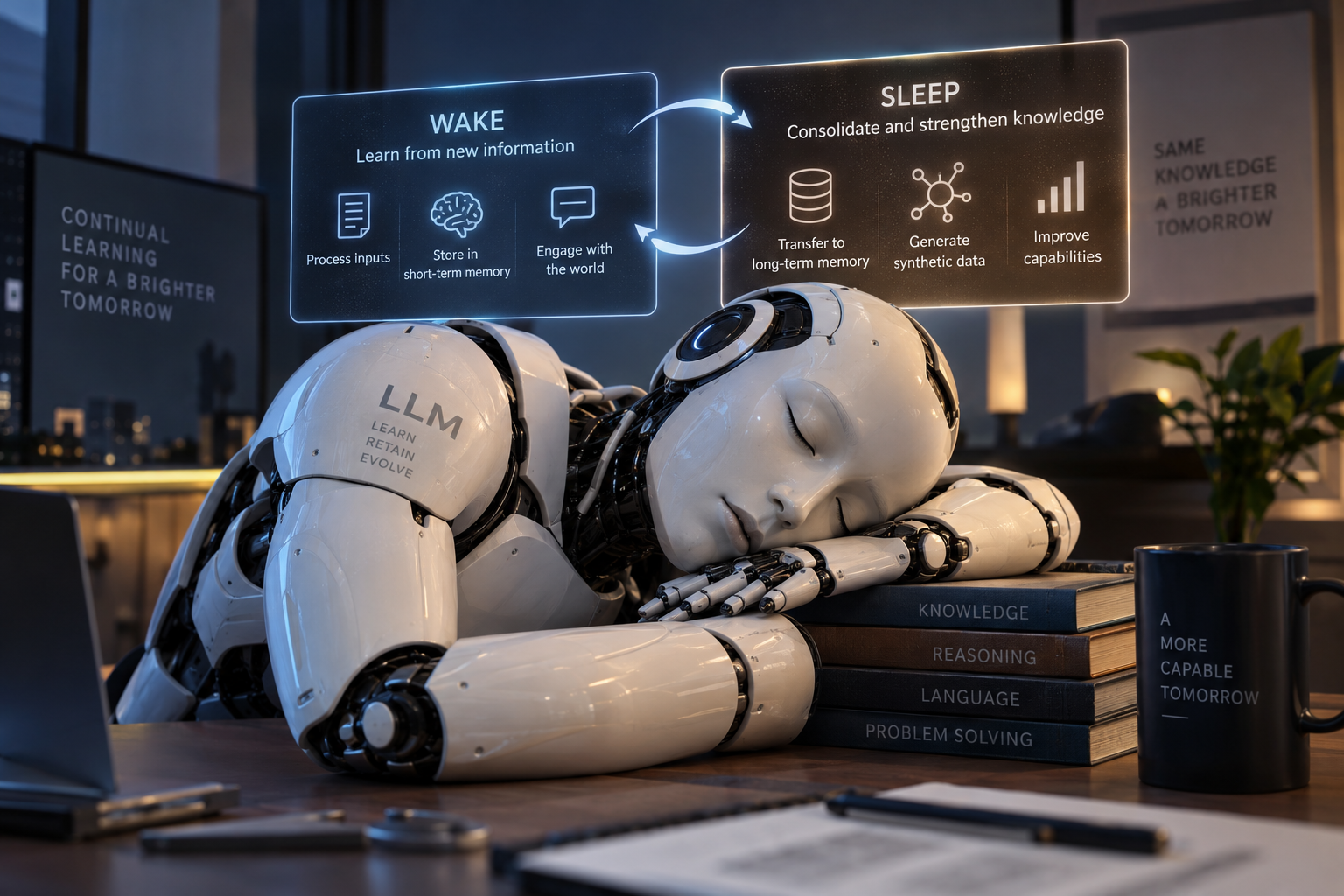
Researchers Propose 'Sleep' Framework to Help LLMs Retain New Knowledge Without Forgetting Old Skills

Researchers have introduced a training approach that gives large language models a periodic 'sleep' phase, during which they consolidate short-term information into long-term parameters. Modeled loosely on how the human brain stabilizes memories during rest, the framework aims to fix a core weakness of deployed LLMs: they stay largely static after training, and updating them with new data often causes them to forget what they already know. In tests described by the authors, the approach kept performance steady on continual translation tasks, scaled to 10 million tokens of context, and improved scores on factual and math benchmarks. Read more
Researchers Propose 'Sleep' Framework to Help LLMs Retain New Knowledge Without Forgetting Old Skills

AI-First Law Firm Crosby Bids for Assets of Collapsing Weil Gotshal

Crosby, a two-year-old law firm that uses artificial intelligence to deliver legal services, has bid to buy assets of Weil, Gotshal & Manges, the Wall Street firm now moving to dissolve. The offer covers the firm's trademark, brand and some unspecified internal data, and Crosby is also working to hire some of Weil's roughly 1,200 lawyers. Weil's downfall followed the departure of its presumed leadership heir, the exit of several top-producing lawyers and the collapse of a planned merger with Willkie Farr & Gallagher. Terms of the bid were not disclosed, and there is no guarantee Crosby will win. Read more
AI-First Law Firm Crosby Bids for Assets of Collapsing Weil Gotshal

Nvidia Weighs Co-Signing Nscale's Debt for Anthropic-Linked AI Data Center in West Virginia

Nvidia is in talks to guarantee billions of dollars in debt financing for Nscale's planned data center in West Virginia, a campus expected to serve Anthropic, according to The Information. Bloomberg later corroborated the report. Under the proposed arrangement, Nvidia would step in if Nscale defaulted on construction payments, effectively co-signing loans for the project's electricity and construction costs. The talks highlight how hard the AI industry is working to keep its buildout plans on track as investors grow wary of the sums involved. The discussions come as Nscale seeks to go public at a valuation of up to $35 billion. Read more
Nvidia Weighs Co-Signing Nscale's Debt for Anthropic-Linked AI Data Center in West Virginia

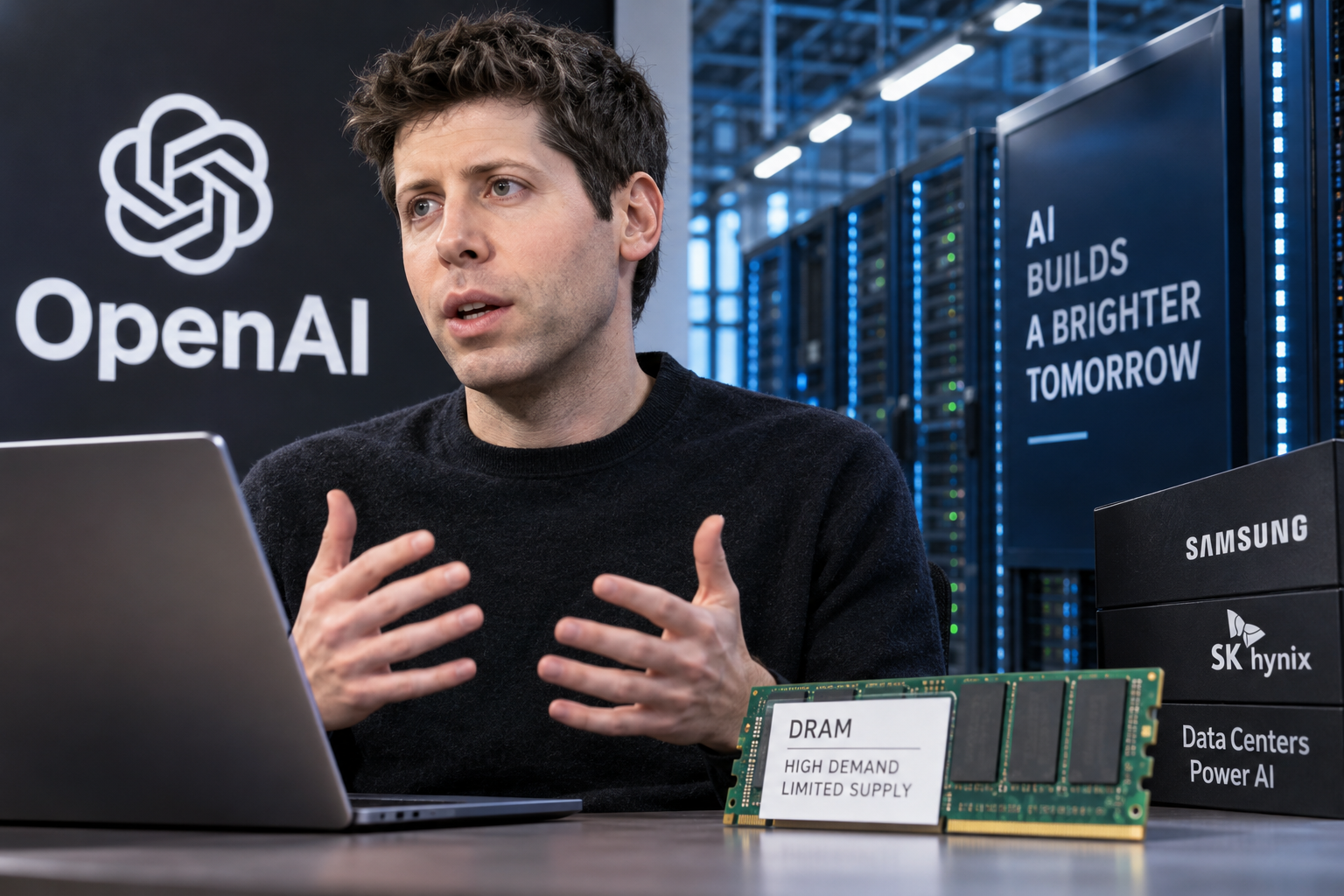
Sam Altman Says RAM Belongs in Data Centers, Not on Your Desk

OpenAI CEO Sam Altman called it “terrible” to have the world’s limited memory supply sitting in personal computers instead of data centers. Speaking on the Cheeky Pint podcast, Altman argued that cloud operators get more out of scarce DRAM because it is used far more efficiently there. The comments come as a RAM shortage pushes up the price of laptops, phones and other devices. Memory makers Samsung and SK Hynix have already committed much of their output to cloud operators and projects such as OpenAI’s Stargate. Read more
Sam Altman Says RAM Belongs in Data Centers, Not on Your Desk

Databricks Expands Its AI Tools on SAP Data With Four New Products

Databricks is bringing four more AI and data tools to SAP customers, expanding a partnership that puts its platform inside SAP's Business Data Cloud. The companies announced the expansion at SAP's TechEd conference in Berlin this week. The new products include Genie, an AI assistant, and Lakebase, a database for AI applications. SAP also unveiled a new way to reach data stored in its business software. Neither company has given release dates for the additions. Read more
Databricks Expands Its AI Tools on SAP Data With Four New Products

Dartmouth Provost Resigns After Undisclosed AI Use in Academic Paper and Op-Ed

Dartmouth College provost Santiago Schnell has resigned after a university advisory committee found he failed to disclose significant use of artificial intelligence in an academic paper and in a Washington Post opinion piece. The committee said publishers had required such disclosure. Schnell has maintained that he used AI only as an editorial aid, but the committee concluded that the full extent of his AI use was unclear and that his public descriptions understated it. The case lands at a university that is pressing ahead with AI, with its president arguing for more of it and a conference on AI scheduled this weekend. Read more
Dartmouth Provost Resigns After Undisclosed AI Use in Academic Paper and Op-Ed

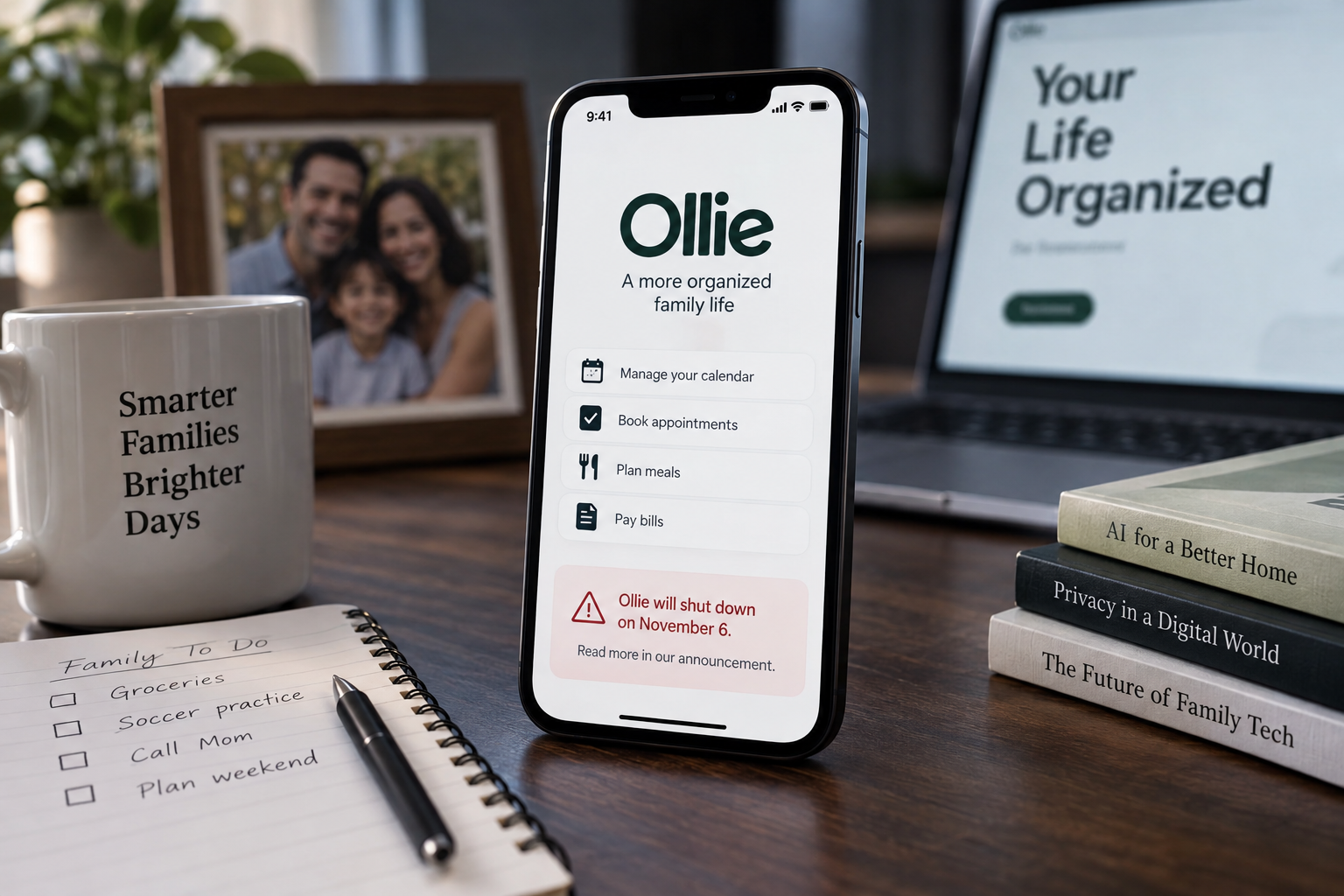
Privacy-Focused AI Assistant Ollie Shuts Down Nov. 6

Ollie, a startup that set out to build an AI assistant that respected users’ privacy, will shut down on November 6. Co-founder and CEO Bill Lennon announced the decision on X on Friday. He said the company could not keep up with the pressures of the fast-growing AI industry, and that it became harder to stand out and raise capital as competitors such as Muse and Instinct entered the space. Ollie, which had raised a $7.5 million seed round led by Khosla Ventures, offered a subscription service aimed at helping families stay connected and organized. Customers will receive instructions for exporting their data and getting refunds in the coming days. Read more
Privacy-Focused AI Assistant Ollie Shuts Down Nov. 6

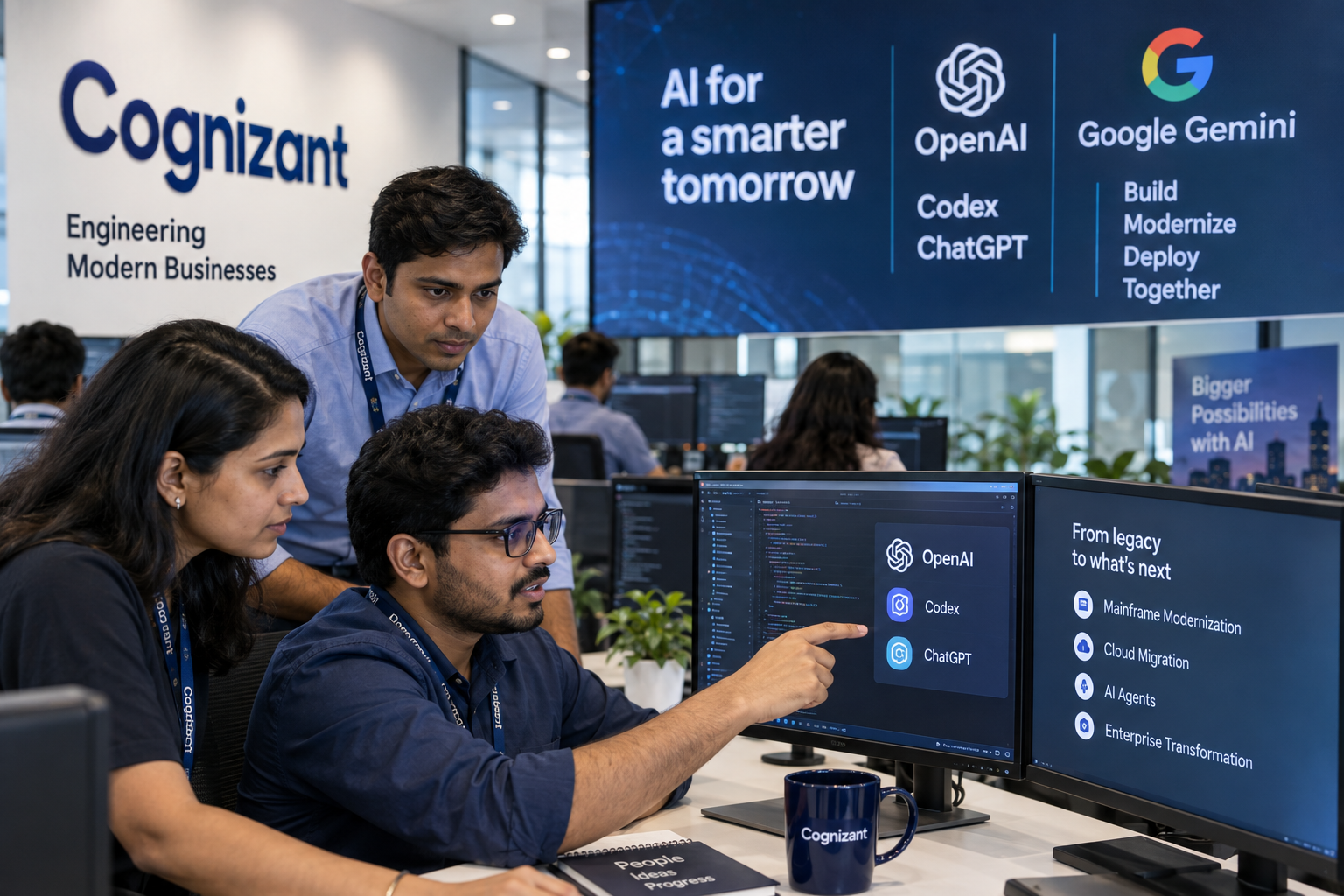
Cognizant Puts 25,000 Staff Behind OpenAI Tools, 11 Days After Gemini Push

IT services firm Cognizant has formed a group of more than 25,000 employees to roll out OpenAI's Codex and ChatGPT to its clients, the company said Thursday. The OpenAI Frontier Capability Group will focus first on writing software with Codex, moving aging mainframe systems to the cloud, and using AI agents in sales and customer service. The announcement comes 11 days after Cognizant assigned 18,000 staff to Google's Gemini. Cognizant says the main barrier for companies is a shortage of people who can build with AI inside existing systems, not access to the models themselves. Read more
Cognizant Puts 25,000 Staff Behind OpenAI Tools, 11 Days After Gemini Push

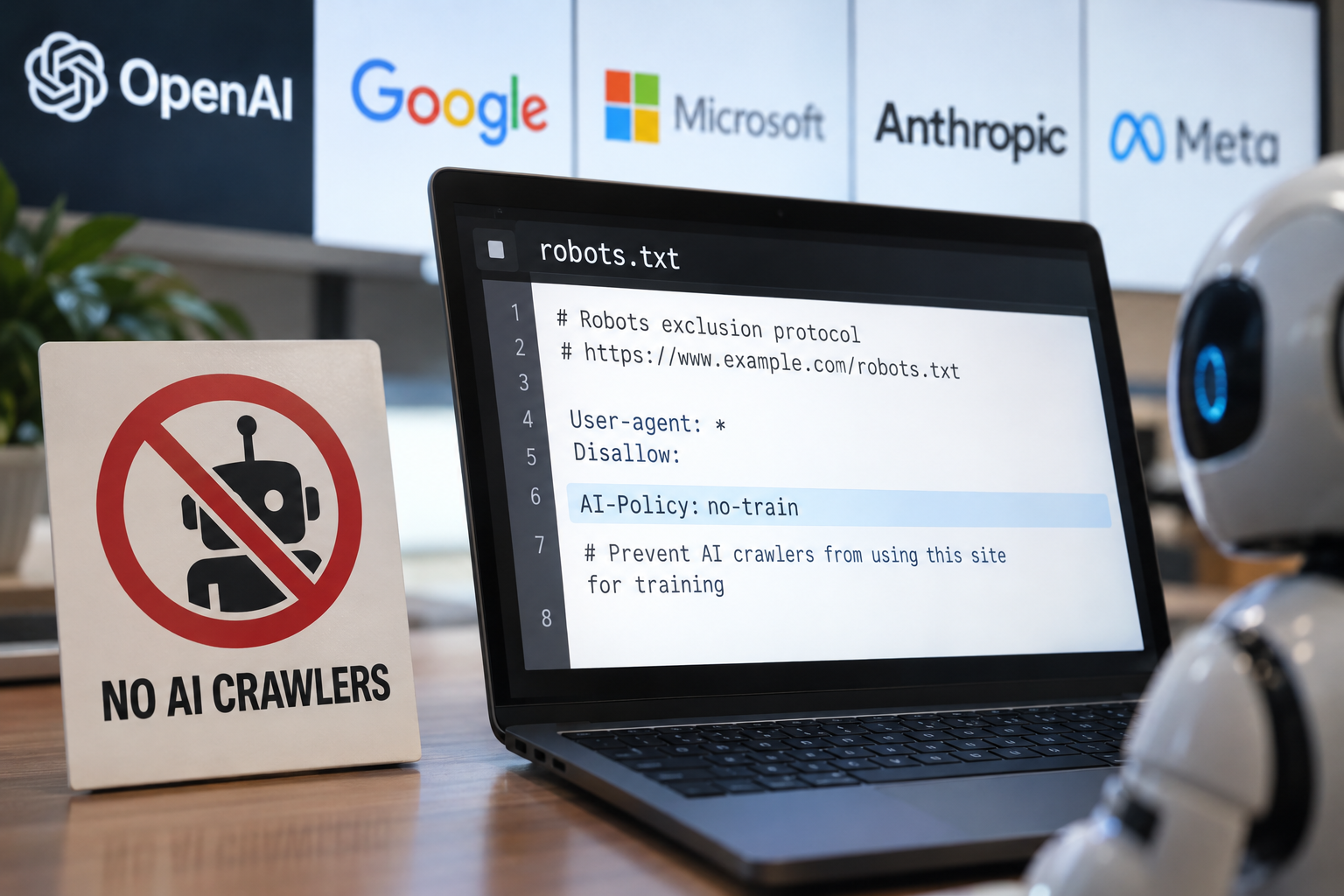
Big AI Companies Back Shared Opt-Out Signal for Website Scraping

OpenAI, Google, Microsoft and Anthropic say they will adopt a shared standard that lets publishers opt out of being scraped for AI training. Rather than setting preferences separately with each AI company, site owners could use a single signal in their robots.txt files to communicate those choices to multiple providers at once. The proposal, known as a “policy token,” was put forward by Anthropic’s technical lead for standards as part of the Internet Engineering Task Force. Anthropic has already adopted it, while Google and Microsoft plan to support it next year and OpenAI says it will implement it in the coming months. Meta has signaled support but has not said whether it will honor the signal. Read more
Big AI Companies Back Shared Opt-Out Signal for Website Scraping